
Vaccinium nummularia
Vaccinium nummularia
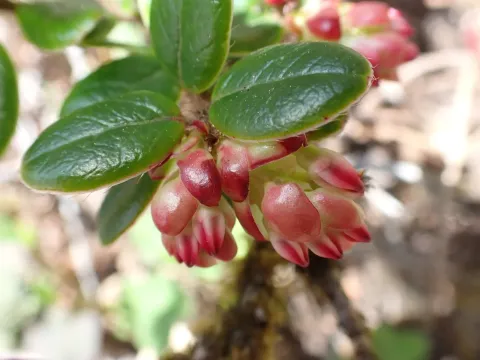
Vaccinium nummularia is an evergreen dwarf shrub belonging to the Ericaceae family. This species is a close relative of common blueberries and cranberries, characterized by its compact habit and small, dense, almost coin-shaped leaves.
What the section contains
Vaccinium nummularia
The plant is native to the high-altitude regions of the Himalayas, spanning across India, Nepal, and Myanmar. In its natural habitat, it thrives in cool, humid environments at elevations of up to 3000 meters above sea level.
Successful cultivation requires acidic, well-draining, and organic-rich soils, similar to the substrates used for other Vaccinium species. Maintaining consistent moisture in the substrate is essential, while preventing waterlogging which can be fatal.
The plant prefers a cool climate and diffused light, as it is sensitive to intense direct sunlight and extreme temperature fluctuations in warmer regions. In temperate zones, it is frequently grown as a container plant or in specialized rock gardens.
Vaccinium nummularia offers significant ornamental value due to its compact growth, evergreen foliage, and small, urn-shaped flowers. These flowers eventually develop into edible berries, which are characteristic of this plant genus.
Like many members of the Ericaceae family, Vaccinium nummularia is susceptible to fungal root diseases if irrigation is mismanaged or drainage is poor. Phytophthora and other types of root rot pose the primary threats to plant health.
In greenhouse settings or areas with high planting density, the shrubs can suffer from powdery mildew. Providing adequate air circulation around the plants is a fundamental preventative measure to maintain overall vigor.
Regarding insect pests, spider mites and scale insects represent the greatest risk, often targeting weakened specimens kept in low-humidity indoor environments. Regular inspection of the foliage is necessary to detect infestations early.
Improper soil pH levels lead to chlorosis, which typically manifests as yellowing of the leaves. Maintaining a soil pH between 4.5 and 5.5 is crucial, preferably using fertilizers specifically designed for acid-loving ornamental crops.
Physiological stress often occurs due to overwatering during the winter dormant season, which restricts oxygen availability to the root system. Reducing irrigation during colder months is a critical step in ensuring the plant survives the winter.