
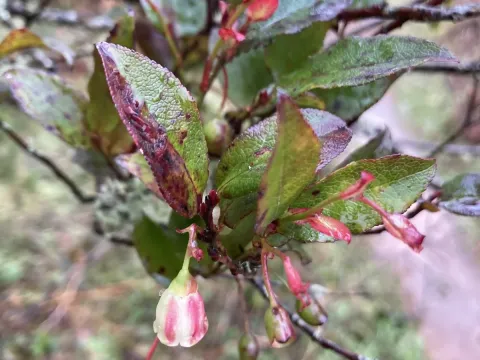
Vaccinium padifolium
Vaccinium padifolium
Vaccinium padifolium, commonly known as the Madeira blueberry, is a member of the Ericaceae family. It is an endemic shrub species native to the laurel forests of Madeira Island.
What the section contains
Vaccinium padifolium
The plant is an evergreen shrub characterized by its distinctive foliage, which resembles that of a cherry tree, serving as a botanical hallmark of the species.
For successful cultivation, it requires acidic, well-drained soils rich in organic matter. It thrives in cool, humid environments characterized by frequent mountain mists.
In horticultural settings, high air humidity is paramount. The plant is sensitive to heat stress and prolonged drought, requiring greenhouse protection in non-native climates.
The standard agronomic practice involves mulching the root zone with peat or pine needles to maintain a soil pH between 4.5 and 5.5. Balanced fertilization for acid-loving plants is strictly necessary.
Agricultural use of this species is currently niche, primarily centered on local consumption and botanical conservation efforts.
Yield varies significantly based on environmental conditions. Since the species is rare, commercial-scale production has not yet been standardized or widely established.
The berries are edible, possessing a unique tart flavor profile that is highly valued in the local traditional cuisine of Madeira.
Harvesting is performed by hand to ensure the sustainability of the population and to avoid mechanical damage to the delicate branches of the shrub.
The fruit contains significant levels of polyphenols and antioxidants, presenting interesting opportunities for future breeding programs and functional food product development.
Fungal diseases, specifically those affecting the root system like Phytophthora, pose the most significant threat to plants grown in controlled environments.
Common horticultural pests such as aphids and scale insects can affect the plant's health, requiring careful monitoring and integrated pest management strategies.
Habitat loss due to climate change and competition from invasive plant species are the primary threats to the survival of wild populations of Vaccinium padifolium.
Preventative measures include ensuring optimal air circulation, maintaining soil drainage, and strictly adhering to sanitation protocols when handling plant material.
Using sterilized growing media and avoiding cross-contamination from other ericaceous crops is essential to prevent the spread of soil-borne pathogens.