
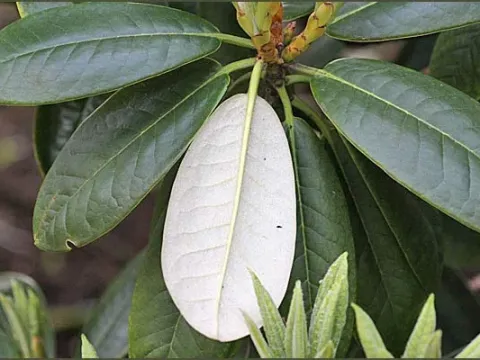
Wandering rhododendron
Rhododendron peregrinum
Rhododendron peregrinum is a distinct species within the Ericaceae family, widely recognized for its ornamental value in specialized horticultural collections. It is an evergreen shrub characterized by specific ecological needs.
What the section contains
Wandering rhododendron
Cultivation requires well-draining, acidic soil with a pH range between 4.5 and 5.5. Incorporating organic matter such as peat moss or pine needles is essential to mimic the plant's natural woodland habitat and ensure optimal root respiration.
These plants thrive in dappled shade or partial exposure, as direct sunlight can cause significant foliage burn, especially in hotter climates. Protecting the root system from excessive temperature fluctuations is critical for vigorous growth.
Standard agronomic practice involves consistent moisture management, avoiding both waterlogged conditions and drought stress. Irrigation must be performed with soft water to prevent the accumulation of minerals that can raise soil pH.
Annual fertilization with ericaceous-specific nutrients is advised to support flowering and vegetative development. Mulching the root zone with organic material helps maintain moisture levels and suppresses weed growth effectively.
Pathogenic threats include Phytophthora root rot, which is often facilitated by poor drainage and stagnant water. Cultural control through proper soil preparation and spacing is the primary method of preventing these infections.
Insect pests such as rhododendron leafhoppers and scale insects can cause severe aesthetic damage. Integrated pest management strategies, including the use of horticultural oils or systemic insecticides, are recommended for control.