
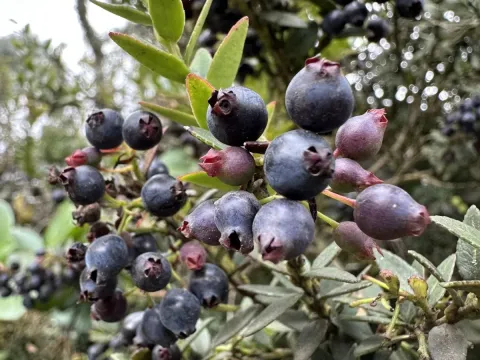
Vaccinium mortinia
Vaccinium mortinia
Vaccinium mortinia is a fascinating member of the Ericaceae family, native to the high-altitude cloud forests of the Andes. This evergreen shrub thrives in cool, humid environments, typically found in regions of Colombia, Ecuador, and Peru where it grows at high elevations.
What the section contains
Vaccinium mortinia
The cultivation of this crop requires specific soil conditions, primarily acidic substrates with a pH level between 4.5 and 5.5. The soil must be well-drained, as the root system is highly sensitive to waterlogging, which often leads to root rot and eventual plant mortality.
Climate management is crucial for the successful growth of Vaccinium mortinia. It requires consistent, moderate temperatures and high atmospheric humidity. Extreme heat or drought can lead to significant stress for the plant, making greenhouse cultivation with misting systems a viable option in lower-altitude areas.
Agronomic practices include heavy mulching, preferably with pine needles or similar organic matter that supports acidity and moisture retention. Proper fertilization is also necessary, using acid-loving plant formulas to avoid nutrient deficiencies that can occur in non-native environments.
The botanical structure of the plant, characterized by its hardy, leathery leaves and small, flavorful berries, makes it a subject of interest for niche horticulture. As an agricultural product, it is mostly harvested from the wild, though selective breeding for better yield and adaptation is becoming more prominent.
Fungal diseases are the primary threat to Vaccinium mortinia, particularly leaf spot caused by stagnant air and excessive moisture. Managing the humidity levels around the foliage is essential to prevent the spread of these pathogens throughout the plantation.
Root diseases, specifically Phytophthora root rot, pose a severe risk if drainage is not correctly implemented. Monitoring soil moisture levels and avoiding water accumulation in the rhizosphere is the most effective preventative measure against these deadly pathogens.
Insect pests such as mites and aphids can become problematic during the vegetative growth phase. These pests weaken the plant, making it more susceptible to other secondary infections, and can cause significant damage to the developing berries.
Integrated pest management (IPM) is highly recommended, prioritizing biological controls over harsh chemical substances. Since Vaccinium species can be sensitive to specific pesticides, careful selection of inputs is required to ensure both plant health and consumer safety.
Regular sanitation of the growing area, including the removal of dead or infected branches, is a critical practice. By maintaining cleanliness and adequate spacing between shrubs, growers can effectively reduce the incidence of both pests and diseases in the field.