
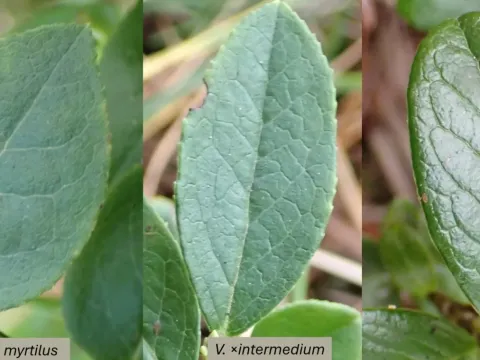
Vaccinium intermedium
Vaccinium intermedium
Vaccinium intermedium is a natural hybrid between Vaccinium myrtillus and Vaccinium vitis-idaea. Given its hybrid nature, it is propagated exclusively through vegetative methods, such as stem cuttings, to maintain the desired characteristics of the parent plants.
What the section contains
Vaccinium intermedium
The ideal planting time is early spring after the risk of severe frost has passed, or early autumn to allow the root system to establish before the ground freezes.
Plants should be spaced sufficiently apart, typically 1 to 1.5 meters between rows, to ensure adequate light exposure and to prevent the development of high-humidity microclimates that promote fungal growth.
When planting, it is crucial to handle the shallow root system with care. The root ball should be positioned at the surface level, as burying it too deep can inhibit growth and lead to crown rot.
Once planted, the area should be mulched with acidic organic matter, such as pine bark or peat moss, to preserve moisture and suppress weeds while maintaining the necessary soil pH.
As a member of the Ericaceae family, Vaccinium intermedium has strict requirements for soil acidity, specifically a pH range between 3.5 and 5.0. If the soil is too alkaline, the plant will struggle to absorb essential nutrients.
The soil should be light, well-draining, and rich in organic matter. Sandy soils are ideal, provided they are amended with acidic compost or peat to retain enough moisture for the shallow root system.
The plant thrives in full sun but can tolerate partial shade, particularly in regions with very hot summers, where some afternoon protection can prevent leaf scorching.
Consistent moisture is vital. Drip irrigation is highly recommended to maintain uniform soil moisture without wetting the foliage, which helps reduce the risk of diseases.
It is a hardy plant capable of withstanding cold winter temperatures, making it a suitable candidate for temperate climates where other soft fruits might struggle.
The primary threats to this culture are fungal diseases, especially grey mold (Botrytis), which can spread rapidly through the fruit cluster in damp and poorly ventilated conditions.
Powdery mildew is another common issue, appearing as a white dusting on leaves. Maintaining proper plant spacing and airflow is the most effective cultural control method.
Pests such as leafrollers and various larvae can damage the foliage and flowers. Integrated Pest Management (IPM) strategies, including biological controls, should be prioritized.
Root rots caused by Phytophthora species represent a significant threat if the soil drainage is inadequate or if the plant is overwatered for extended periods.
Regular monitoring of the plantation is essential for early detection of issues, allowing for targeted treatments before the disease or pest population reaches economic damage thresholds.
The berries of Vaccinium intermedium ripen gradually over several weeks. Consequently, multiple picking rounds are usually required throughout the harvest season to capture fruit at peak maturity.
The harvested fruit is known for its intense flavor and firm texture, which makes it well-suited for both fresh market consumption and commercial processing.
Harvesting should be done during the early morning hours, once the dew has evaporated, to maximize the post-harvest shelf life of the berries.
Proper post-harvest handling includes immediate cooling to temperatures near 2-4 degrees Celsius to maintain fruit quality and slow down respiration processes.
The produce is highly valued in the nutraceutical industry and is also used to produce high-quality jams, juices, and various culinary products due to its unique antioxidant profile.