
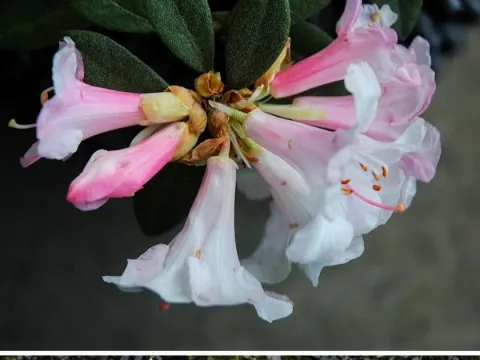
Rhododendron tephropeplum
Rhododendron tephropeplum
Rhododendron tephropeplum is an evergreen shrub belonging to the Ericaceae family, widely recognized for its botanical uniqueness. Native to the mountainous regions of Tibet, Myanmar, and China, it thrives in high-altitude environments characterized by cool temperatures and significant rainfall.
What the section contains
Rhododendron tephropeplum
The shrub is morphologically defined by its compact habit and distinctive foliage, which is covered in small, silvery-grey scales. This scale-like appearance is a defensive adaptation that gives the leaves a matte finish, contributing to the plant's aesthetic appeal during the growing season.
Successful cultivation requires a well-drained, acidic growing medium. The ideal soil pH ranges between 4.5 and 5.5. Gardeners should prepare a substrate consisting of peat moss, pine needles, and perlite to ensure the roots remain oxygenated while maintaining the necessary acidic environment for nutrient uptake.
This species prefers a location with partial shade, avoiding direct, harsh afternoon sunlight which can scorch the leaves. It also requires protection from strong, drying winds. Mulching with organic matter, such as bark or needles, is essential to keep the root system cool and retain moisture during drier months.
Rhododendron tephropeplum is primarily used as an ornamental plant in landscaping. Its relatively small size makes it an ideal candidate for rock gardens, heather beds, or container planting in climate-controlled environments. It is highly valued by enthusiasts for its early-season blooms and textured foliage.
The primary threats to this culture are fungal diseases, particularly Phytophthora root rot. This condition occurs predominantly in soils with poor drainage, where standing water facilitates the spread of pathogens that compromise the plant's vascular system, often leading to rapid decline.
Foliar diseases such as leaf spots can also occur, especially in stagnant air conditions or when leaves remain wet for extended periods at night. Maintaining good air circulation within the shrub canopy is a vital preventative practice to keep the foliage dry and reduce the likelihood of fungal infection.
Common pests include the rhododendron leafhopper, which feeds on the sap, leading to chlorotic spotting on the leaves. Additionally, spider mites can be problematic during hot, dry spells, causing the leaves to take on a dull, bronzed appearance as they pierce plant cells to consume fluid.
Integrated pest management should focus on early detection. Regularly inspecting the underside of the leaves and monitoring the overall vigor of the plant allows for timely intervention, such as the application of horticultural oils or specialized insecticides to manage outbreaks before they spread.
Finally, environmental stressors like winter desiccation are major risks. Without adequate soil moisture during autumn, the plant can suffer from dehydration during cold weather when the ground is frozen, making winter watering an essential part of the agricultural calendar for this specific rhododendron.