
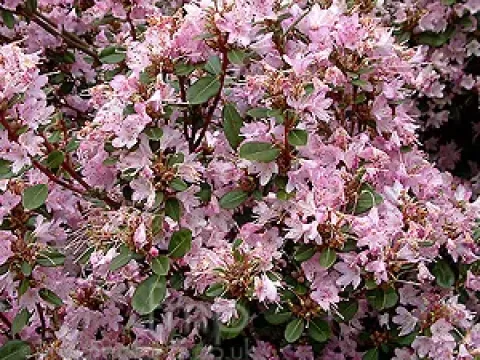
Racemose rhododendron
Rhododendron racemosum
The racemose rhododendron (Rhododendron racemosum) is a compact, evergreen shrub belonging to the Ericaceae family. Native to the mountainous regions of China, this species is highly valued for its distinct, small leaves and clusters of pink flowers that appear in early spring.
What the section contains
Racemose rhododendron
The culture thrives in well-drained, acidic soil rich in organic matter. Gardeners should ensure the pH level remains between 4.5 and 5.5. A soil mixture containing peat moss and pine bark is often recommended to maintain the necessary acidity and structure for root development.
Climatic requirements involve protection from extreme heat and dry winds. The plant prefers dappled shade or partial sun, as excessive direct sunlight can scorch the foliage and reduce the plant's overall vigor. Consistent moisture is vital during the growing season.
Proper agricultural practices include regular mulching with pine needles or leaf mold. This method helps maintain a cool root zone temperature, suppresses weeds, and preserves soil moisture, which is essential for this species given its shallow root system.
In landscaping, this rhododendron serves as an excellent choice for rock gardens, mixed borders, and container gardening. Its slow growth rate and compact habit make it a low-maintenance option for gardeners looking to add structure and seasonal color to cool-climate landscapes.
Common diseases affecting Rhododendron racemosum include fungal leaf spots and root rot, usually triggered by poor drainage or overly wet conditions. Improving site aeration and using appropriate fungicides during wet seasons can effectively mitigate these risks.
Pests such as rhododendron bugs, aphids, and spider mites can infest the leaves and stems. Regular inspection and the application of horticultural oils or specific insecticides are necessary to manage populations and prevent severe damage to the plant's foliage.