
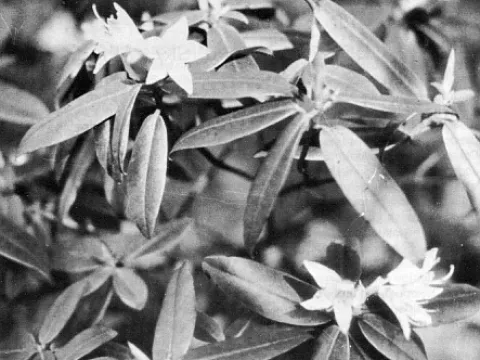
Rhododendron
Rhododendron laticostum
The rhododendron is a prominent member of the Ericaceae family, highly valued for its dense foliage and spectacular floral displays. As an ornamental agricultural crop, it requires specific environmental conditions to thrive and exhibit its full aesthetic potential in landscapes.
What the section contains
Rhododendron
Soil management is the cornerstone of rhododendron cultivation. These plants strictly require acidic, well-draining, and organic-rich soil with a pH ranging from 4.5 to 5.5. Alkaline soil conditions lead to nutrient deficiencies and leaf chlorosis, significantly weakening the shrub.
Climate and site requirements are equally critical for plant health. Rhododendrons perform best in partial shade, shielded from harsh direct sunlight and drying winds. They thrive in environments with high ambient humidity and temperate conditions that prevent temperature extremes.
Maintenance involves diligent mulching with organic materials such as pine needles or peat moss. This practice not only preserves soil moisture but also insulates the root system and contributes to the long-term acidification of the soil, which is essential for nutrient absorption.
Effective irrigation management involves providing consistent moisture without waterlogging the root zone. Because rhododendrons are shallow-rooted, they are susceptible to drought stress; therefore, monitoring soil moisture levels is necessary for successful long-term growth.
Common pathological threats include Phytophthora root rot and various leaf spot diseases, typically triggered by improper drainage or excessive humidity. Maintaining proper plant spacing and ensuring good air circulation are vital strategies for disease prevention in a planting bed.
Insect pests, such as the rhododendron bug and spider mites, can cause significant cosmetic damage by feeding on foliage. Integrated pest management, including regular inspections and the application of targeted insecticides, is recommended to keep these populations under control.