
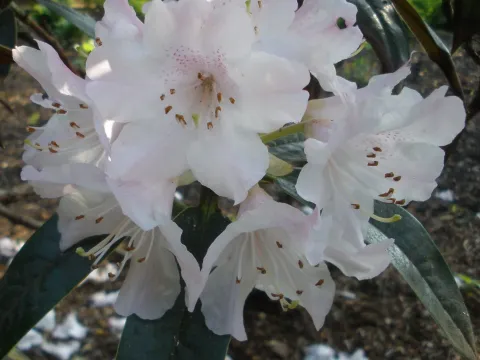
Rhododendron adenogynum
Rhododendron adenogynum
Rhododendron adenogynum is a member of the Ericaceae family, known for its elegant evergreen foliage and distinct growth habit. This species is native to the high-altitude regions of China, specifically within the provinces of Yunnan and Sichuan, which dictates its preference for cool environments.
What the section contains
Rhododendron adenogynum
The culture requires acidic, well-draining soil rich in organic matter to thrive. The ideal pH level for the substrate should be between 4.5 and 5.5. Gardeners must ensure excellent drainage, as the root system of this species is highly susceptible to rot if subjected to waterlogging.
In terms of site selection, this rhododendron performs best in dappled shade or areas sheltered from harsh direct sunlight. Exposure to strong, dry winds should be avoided, as they can cause leaf scorch and dehydration. Consistent moisture levels, achieved through regular watering, are essential for health.
The agronomic maintenance includes persistent mulching using pine needles or pine bark, which helps retain soil moisture and maintains the acidity required for nutrient uptake. This species is hardy but benefits from light protection during exceptionally cold winters to prevent damage to delicate flower buds.
The primary horticultural application for this plant is in ornamental landscaping. It is highly valued in rock gardens, woodland plantings, and specialized collections due to its distinct indumentum on the leaves and attractive floral display, which provide year-round aesthetic value.
Phytophthora root rot remains the most serious threat to the longevity of this crop. This pathogen thrives in saturated soil conditions, making the maintenance of proper drainage systems the primary preventive agricultural practice for long-term survival.
Rhododendron leafhoppers can cause significant aesthetic damage by feeding on the sap. Their activity leads to chlorotic spotting on leaves, which reduces the photosynthetic capacity and overall vigor of the shrub, necessitating timely monitoring.
Spider mites represent a recurring pest issue during periods of low humidity and high temperatures. These pests reside on the underside of leaves and can cause yellowing and necrosis, requiring the use of miticides or high-pressure water sprays for control.
Powdery mildew often appears during periods of high humidity and poor air circulation. While usually not fatal, it can disfigure the foliage and weaken the plant, making regular pruning for better airflow a recommended cultural practice.
Nutritional deficiencies, specifically iron chlorosis, are common when the soil pH deviates from the target acidic range. This condition inhibits the plant's ability to process minerals, leading to pale foliage; correcting the soil chemistry is essential for remediation.