
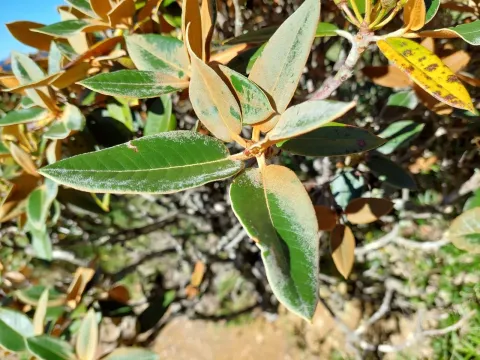
Reddish rhododendron
Rhododendron hyperythrum
The reddish rhododendron (Rhododendron hyperythrum) is an evergreen shrub belonging to the Ericaceae family. Native to the mountainous regions of Taiwan, this species is well-adapted to high-altitude environments characterized by consistent moisture and cool temperatures.
What the section contains
Reddish rhododendron
Agronomic success relies heavily on soil conditions. This plant requires acidic, well-draining soil rich in organic matter. The incorporation of peat moss or conifer needles is essential to maintain the necessary low pH levels for optimal nutrient uptake.
The species thrives in partial shade. Excessive exposure to direct sunlight, especially in high-temperature climates, can lead to leaf scorch and dehydration. A sheltered location with dappled light is ideal for maintaining the plant's health.
Water management is a cornerstone of cultivation. The reddish rhododendron requires a stable moisture supply but is highly susceptible to root rot if the soil becomes waterlogged. Providing a high-quality drainage system is crucial for long-term viability.
Climatic adaptability is a significant trait of this species. While it demonstrates higher tolerance to cold than many other varieties, winter protection is often necessary in colder climates to protect the foliage from desiccating winter winds.
Fungal infections remain the primary threat to the health of the reddish rhododendron. Phytophthora root rot and powdery mildew frequently occur when drainage is insufficient or when humidity levels are excessively high without proper airflow.
Insect pests, including rhododendron lace bugs, spider mites, and vine weevils, can significantly diminish the plant's ornamental quality. These pests target the undersides of the leaves or the root system, weakening the shrub.
Effective pest management involves integrated control strategies, including the use of targeted insecticides and the manual removal of heavily infested parts to prevent further spread.
Maintaining proper hygiene by pruning dead or diseased branches significantly reduces the inoculum potential for secondary infections like leaf spots and blight.
Applying appropriate fungicides and promoting vigorous growth through balanced fertilization can significantly improve the plant's defensive capabilities against typical environmental and biological stressors.