
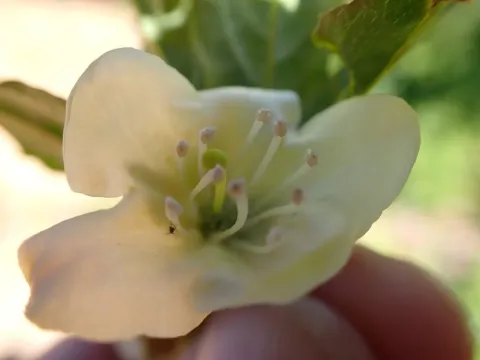
White-flowered rhododendron
Rhododendron albiflorum
The White-flowered rhododendron (Rhododendron albiflorum) is a distinct deciduous shrub belonging to the Ericaceae family. It is recognized for its elegant, nodding white flowers that emerge in the late spring or early summer.
What the section contains
White-flowered rhododendron
Originating from the mountainous regions of Western North America, this species thrives in subalpine zones. It is accustomed to cool, moist environments and rarely performs well in lowland regions with high heat indices.
Successful cultivation relies heavily on specific soil conditions. The shrub requires acidic, humus-rich soil that is well-draining yet capable of retaining moisture throughout the growing season.
The preferred habitat for this plant is dappled shade. Full sun exposure, particularly in the afternoon, can cause severe stress, leading to scorched foliage and overall plant decline.
Strategic site selection and careful preparation of the planting hole with organic matter like pine needles or peat moss are essential steps in the agricultural process for this specific rhododendron species.
Fungal pathogens represent the most significant threat to Rhododendron albiflorum. Diseases such as Phytophthora root rot can decimate plants quickly if drainage is inadequate or if soil moisture remains static.
Pests such as rhododendron borers and aphids can weaken the plant by attacking the stems and foliage. Integrated pest management should be employed to monitor for signs of infestation early in the season.
Nutritional deficiencies often manifest as chlorosis, where leaves turn yellow due to the inability to absorb iron in non-acidic soil. Maintaining the proper pH balance is the primary defensive strategy.
Environmental stress, including extreme winter temperature fluctuations, can lead to bark splitting or branch dieback. Providing wind protection is crucial during the dormant season.
- Regular application of sulfur-based soil amendments.
- Monitoring for leaf spot pathogens.
- Use of neem oil for soft-bodied insect control.
- Application of a thick organic mulch.
- Avoidance of overhead irrigation to reduce humidity-related disease risks.