
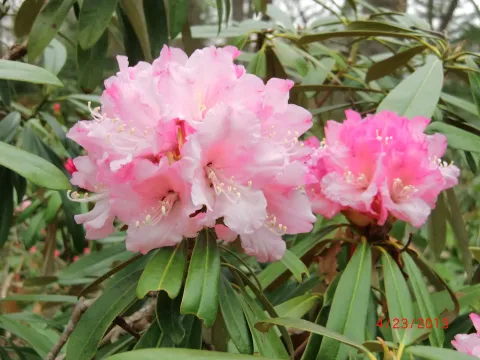
Rhododendron adenopodum
Rhododendron adenopodum
Rhododendron adenopodum is an evergreen shrub belonging to the Ericaceae family. Originating from the mountainous regions of China, this species is well-adapted to cool, humid climates where it typically thrives in the shade of dense forest canopies.
What the section contains
Rhododendron adenopodum
To successfully grow this species, a soil with an acidic pH between 4.5 and 5.5 is strictly required. The planting site must feature a well-draining, organic-rich substrate to prevent root rot, which is the most common cause of mortality for this delicate ornamental plant.
The plant performs best in locations that are sheltered from harsh winds and direct afternoon sun. Providing a consistent source of moisture and high ambient humidity is crucial, especially during the peak growing season, to maintain the structural integrity and health of its foliage.
A key botanical trait of Rhododendron adenopodum is the dense, felt-like indumentum covering the underside of the leaves and stems. This physical feature acts as a biological barrier against extreme temperatures and helps manage water loss, characterizing its unique appearance.
Cultivation practices involve regular mulching with pine needles or bark to conserve soil moisture and ensure the maintenance of low pH levels. Fertilization should be targeted toward acid-loving plants, using slow-release formulas to promote steady growth without damaging the sensitive roots.
The main pests affecting this species include spider mites and the rhododendron lace bug. These insects suck sap from the leaves, causing discolouration and overall plant decline; early detection through routine monitoring is essential for effective chemical intervention.
Fungal infections, such as Phytophthora root rot, are significant threats if drainage is insufficient. Keeping the root crown slightly elevated during planting and ensuring the soil remains aerated can mitigate the risk of these common and destructive soil-borne pathogens.
Leaf spot diseases may appear when air circulation is poor, particularly in crowded garden designs. Pruning to ensure proper spacing and avoiding overhead irrigation during evening hours can significantly reduce the moisture levels that fungi require to spread effectively.
Iron chlorosis is a common nutrient deficiency that appears as yellowing leaves while veins remain green. This is almost always caused by an increase in soil pH, which locks away essential minerals; maintaining soil acidity is the primary remedy for this physiological disorder.
Winter desiccation is a major challenge for evergreen rhododendrons in temperate zones. Protecting the foliage from drying winds and intense early spring sunlight prevents the leaves from losing more moisture than the frozen root system can replenish.