
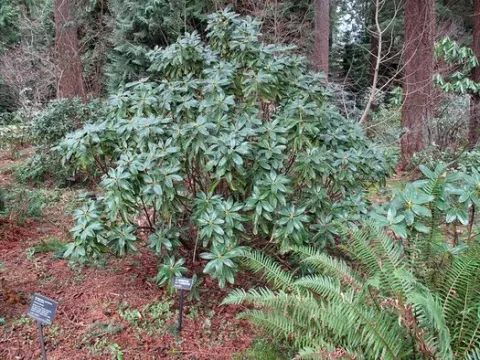
Rhododendron aganniphum
Rhododendron aganniphum
Rhododendron aganniphum is a magnificent evergreen shrub belonging to the Ericaceae family, naturally distributed across the high altitudes of the Himalayas.
What the section contains
Rhododendron aganniphum
It thrives in cool, humid environments and requires acidic, well-draining soil with a high organic content to mimic its native mountain habitat.
Cultivation success depends on providing partial shade, as the plant is sensitive to intense sun exposure which can desiccate its delicate foliage.
The shrub is remarkably cold-hardy, adapting well to freezing conditions, but it requires a consistent water supply to prevent the root ball from drying out.
Proper planting involves surface-level root placement and a layer of acidic mulch to maintain constant soil temperature and suppress competitive weed growth.
The primary threats to this species include root rot pathogens like Phytophthora, which thrive in waterlogged soil conditions and poor aeration.
Pests such as rhododendron lace bugs and spider mites are common concerns, often causing yellowing and premature dropping of the leaves.
Nutrient deficiencies, particularly iron-induced chlorosis, occur frequently if the soil pH shifts away from the acidic range required for nutrient uptake.
Integrated pest management, including regular inspection and the use of targeted biological or chemical treatments, is essential for healthy plant growth.
Maintaining the correct environmental balance significantly reduces the vulnerability of the plant to both fungal infections and opportunistic insect attacks.