
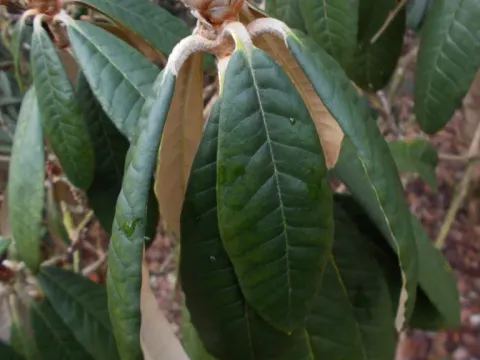
Rhododendron lanigerum
Rhododendron lanigerum
Rhododendron lanigerum is an evergreen shrub belonging to the Ericaceae family, native to the high-altitude forests of the Himalayas. This species is particularly noted for its distinctive woolly indumentum on the underside of its leaves, which provides both protection and aesthetic appeal.
What the section contains
Rhododendron lanigerum
Successful cultivation of this species requires a specific soil profile characterized by high acidity and excellent drainage. It thrives in humus-rich environments and is highly sensitive to soil compaction or waterlogging, which often leads to root suffocation and subsequent fungal infections.
The climate requirements for this plant necessitate a cool, temperate environment with consistent moisture levels. Exposure to harsh, drying winds or extreme heat should be avoided, making dappled shade beneath an open canopy of trees the ideal planting location for this shrub.
Management practices should focus on maintaining a low soil pH and consistent moisture levels through the application of an acidic mulch, such as pine needles or pine bark. Fertilization must be done cautiously using specific ericaceous formulas to avoid salt accumulation, which can burn the delicate root system.
In landscape use, Rhododendron lanigerum is highly valued for its early spring blooms and its structural foliage. It is best suited for woodland gardens or sheltered border displays where the plant can establish a stable root system undisturbed by deep cultivation.
Common pathological issues include Phytophthora root rot, which is primarily driven by poor drainage conditions. Ensuring that the planting site provides adequate aeration is the most effective preventative measure against soil-borne pathogens in rhododendron populations.
Insect pests such as spider mites, scale insects, and lace bugs are the primary threats. Effective management involves regular monitoring of the foliage, particularly during dry spells, and timely intervention with horticultural oils or approved insecticides to maintain plant vigor.