
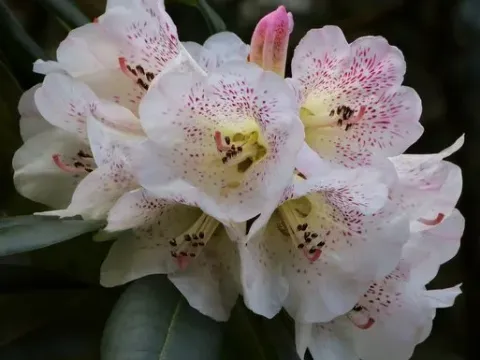
Rhododendron irroratum
Rhododendron irroratum
Rhododendron irroratum is a notable member of the Ericaceae family, characterized by its evergreen foliage and elegant inflorescences. In its natural mountain habitat, it can grow into a substantial shrub or small tree, reaching several meters in height.
What the section contains
Rhododendron irroratum
The species is native to the high-altitude regions of Southwestern China, specifically Yunnan and Guizhou. It flourishes in woodland areas where cool temperatures and high humidity provide the necessary environment for stable growth throughout the year.
To successfully cultivate this species, growers must provide acidic soil with a pH range between 4.5 and 5.5. The planting site must have excellent drainage, as the roots are sensitive to waterlogging and can quickly suffer from root rot in stagnant conditions.
The ideal location for this rhododendron is in partial shade. Protection from intense afternoon sunlight is crucial, as the leaves can easily scorched. A site with a consistent supply of moisture and shelter from strong winds is highly recommended for optimal development.
General maintenance involves regular mulching with organic materials such as pine needles or shredded bark. This practice helps maintain soil acidity, suppresses weeds, and preserves moisture for the shallow root system, which should never be cultivated or disturbed.
Rhododendron irroratum is susceptible to various fungal pathogens, most notably Phytophthora root rot. This condition is primarily triggered by poor soil aeration and waterlogged planting environments, which weaken the plant's natural defenses.
Among the common insect pests, rhododendron bugs and spider mites are frequent offenders. These pests feed on the underside of leaves, causing spotting, yellowing, and eventually significant leaf drop if left untreated by the gardener.
Effective management includes maintaining a clean garden environment and preventing overcrowding of plants, which facilitates better airflow and reduces the humidity levels that favor fungal growth.
For chemical control, specialized fungicides and acaricides should be applied during the early onset of symptoms. Always ensure that the dosage complies with the manufacturer's instructions for ornamental Ericaceous plants.
Pruning of diseased tissue is essential to stop the spread of infection. After pruning, it is advised to disinfect all gardening tools with an alcohol-based solution to prevent the transmission of pathogens between different plants.