
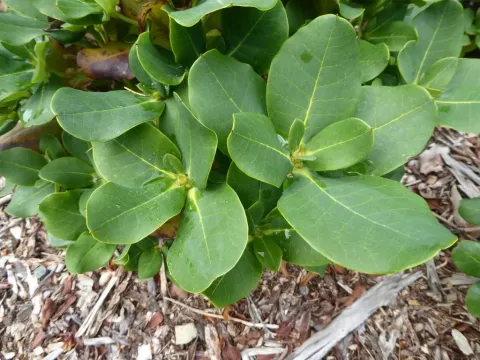
Rhododendron lopsangianum
Rhododendron lopsangianum
Rhododendron lopsangianum is a rare, evergreen shrub species belonging to the Ericaceae family. Originating from the high-altitude regions of Tibet, this plant is highly prized by botanical collectors and enthusiasts for its unique aesthetic and structural qualities.
What the section contains
Rhododendron lopsangianum
The plant strictly requires acidic, well-draining, and humus-rich soil to thrive. It naturally occurs in rocky, nutrient-dense environments, so garden soil must be amended with peat, pine bark, or similar organic matter to mimic its native habitat conditions.
Climatic requirements involve stable temperatures and high air humidity. Rhododendron lopsangianum prefers semi-shaded locations protected from harsh, direct sunlight and strong winds, which can easily damage the delicate foliage and dry out the root system.
Proper cultivation management requires maintaining consistent soil moisture. The root system is shallow and sensitive, therefore a thick layer of pine needle or bark mulch is essential to maintain acidity and protect the roots from thermal stress.
The ornamental value of this species is primarily in its sophisticated form, making it an excellent candidate for specialized rock gardens and botanical exhibitions. It remains a rare specimen in horticulture that requires careful and attentive management.
The primary threats to this species are fungal pathogens, specifically Phytophthora root rot, which thrives in poorly drained, waterlogged soil. Ensuring perfect drainage is the most effective preventative measure against such diseases.
Insect pests, such as the rhododendron lace bug, are common threats that feed on the undersides of leaves. Early identification of discoloration or speckling is vital to prevent significant damage to the plant's health and appearance.
Spider mites can also cause severe stress, particularly during dry summer months when air humidity levels drop. Regular misting and maintaining a humid environment help reduce the susceptibility of the shrubs to these opportunistic pests.
Nutrient deficiency, specifically iron chlorosis, occurs if the soil pH rises above the optimal range. Regular monitoring of the pH levels and the use of acid-forming fertilizers are standard practices for sustaining deep green leaf color.
Winter care is crucial for young plants, as they are susceptible to desiccation and frost damage. Covering the plant with protective netting or using landscape fabric during the coldest months helps mitigate the impact of harsh winter elements.