
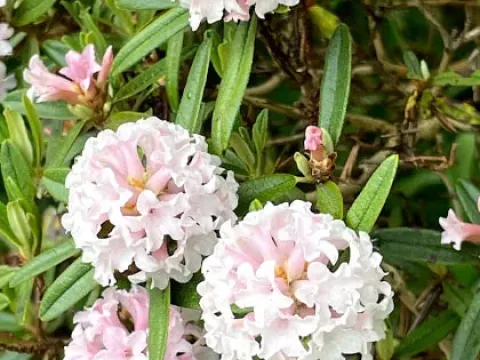
Rhododendron intractum
Rhododendron intractum
Rhododendron intractum is a distinct shrub species belonging to the Ericaceae family, known for its slow growth habit and specific ecological requirements. Originating from high-altitude regions, it thrives in environments characterized by cool temperatures and significant air humidity.
What the section contains
Rhododendron intractum
Cultivation requires acidic soil conditions with a pH level typically between 4.5 and 5.5. The substrate must be rich in organic matter, such as peat or leaf mold, and possess excellent drainage to prevent root asphyxiation during the wet seasons.
The site selection process is crucial, as Rhododendron intractum performs best in dappled shade or filtered light. Direct afternoon sun can scorch the foliage, while complete darkness leads to weak, leggy growth and reduces the probability of healthy flowering.
Watering must be precise; the soil should remain consistently moist but never waterlogged. Irrigation with hard or alkaline water must be avoided, as it can raise the soil pH, leading to chlorosis and potential death of the specimen.
In terms of landscape application, this species is highly valued for its compact and dense foliage, making it suitable for alpine gardens, collector's displays, and foundation plantings. It requires minimal pruning, provided it is grown in a favorable microclimate.
The primary threats to Rhododendron intractum include fungal pathogens such as Phytophthora and powdery mildew. These are often induced by poor air circulation and excessive moisture on the leaves, necessitating preventative fungicide treatments during humid periods.
Insects like the rhododendron bug and spider mites are frequent pests. They cause damage by piercing the leaves, resulting in mottling and loss of aesthetic value. Integrated pest management, including regular inspection and biological controls, is highly recommended.
Root rot is a persistent danger, especially in poorly drained clay soils. Establishing a raised bed or using inorganic soil amendments like perlite or pine bark can effectively mitigate the risk of root-related mortality.
Winter damage, particularly from desiccation, is a significant concern in colder climates. Protective measures, such as providing windbreaks and ensuring the soil is adequately hydrated before the first frost, are vital for plant survival.
Nutrient deficiencies, particularly iron chlorosis, occur if the soil acidity is not maintained. Utilizing professional-grade fertilizers formulated for acid-loving plants ensures that the foliage remains deep green and the shrub maintains its natural vigor throughout the season.