
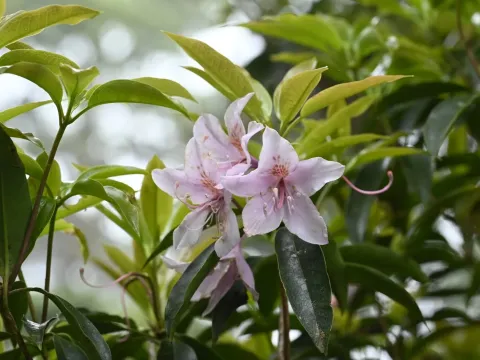
Rhododendron latoucheae
Rhododendron latoucheae
Rhododendron latoucheae is a sophisticated evergreen shrub belonging to the Ericaceae family. Native to the mountainous regions of Eastern and Southern China, this species thrives in humid, temperate environments characterized by mild winters and consistent moisture levels.
What the section contains
Rhododendron latoucheae
Botanically, it is distinguished by its lanceolate leaves with fine pubescence on the abaxial surface and elegant, often fragrant inflorescences. This species is highly regarded for its structural form and is commonly used in specialized landscape gardening to create aesthetic forest-style settings.
Successful cultivation of this Rhododendron requires an acidic soil profile with a pH between 4.5 and 5.5. The root system is delicate and fibrous, necessitating a well-aerated, moisture-retentive medium rich in decomposed organic matter, such as leaf mold or pine bark.
Environmental requirements include a shaded or semi-shaded location, as intense direct sunlight during the peak of the day can cause leaf scorch. Protection from desiccating winds is also crucial to maintain the plant's health and prevent premature dormancy or dieback.
Maintenance practices involve careful watering with soft or rainwater to avoid raising the soil pH. Mulching the base of the shrub annually with organic materials is essential to insulate the roots from temperature fluctuations and preserve essential soil moisture.
The main pathogens affecting this plant are soil-borne fungi, such as Phytophthora, which typically thrive in waterlogged conditions. Proper soil drainage is the primary defense against these serious root diseases.
Pest management focuses on identifying and controlling common problems like the rhododendron lace bug, spider mites, and scale insects. Integrated pest management, including the use of systemic insecticides or biological controls, is often necessary for maintaining optimal plant health.