
Rhododendron lepidostylum
Rhododendron lepidostylum
Rhododendron lepidostylum is a compact evergreen shrub belonging to the Ericaceae family. Native to the mountainous regions of Yunnan, China, it is prized for its unique, bristly-hairy foliage.
What the section contains
Rhododendron lepidostylum
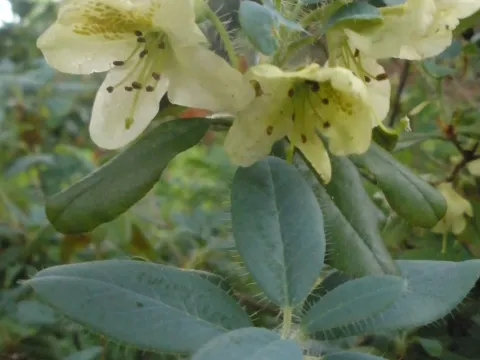
The plant is distinguished by its bluish-green leaves covered in distinctive scales and setae. In spring, it produces attractive, pale yellow or white funnel-shaped flowers that bloom in clusters.
Cultivation requires well-drained, acidic soil rich in organic matter. A mixture consisting of pine bark, peat, and sand is recommended to mimic its natural mountain habitat and ensure optimal drainage.
Light requirements involve partial shade or dappled light. Intense, direct sunlight can scorch the bristly leaves, while excessive shade will significantly reduce flower bud formation.
Maintenance involves consistent moisture during the growing season. The root system is shallow, making a layer of organic mulch essential to retain humidity and suppress weed competition.
Fungal diseases, specifically Phytophthora root rot, pose the greatest threat to this species. These conditions are usually exacerbated by poor soil drainage and compacted substrates.
Pests such as the rhododendron bug and spider mites are common in dry environments. They cause chlorotic spots on foliage and can lead to premature leaf drop if not managed promptly.
Preventive measures include maintaining appropriate soil acidity, ideally between pH 4.5 and 5.5, which discourages pathogens while supporting the plant's natural health.
Regular sanitation, such as removing fallen leaves and pruning dead wood, helps reduce the inoculum load for fungal infections in the planting area.
Integrated pest management, including the use of horticultural oils for mite control and specific fungicides for rot, ensures the long-term vitality of the shrub in a garden setting.