
Rhododendron leucaspis
Rhododendron leucaspis
Rhododendron leucaspis, often referred to as the white-shield rhododendron, is a dwarf evergreen shrub belonging to the Ericaceae family. Native to the high-altitude regions of Tibet, this species has evolved to thrive in cool, well-draining rocky environments.
What the section contains
Rhododendron leucaspis
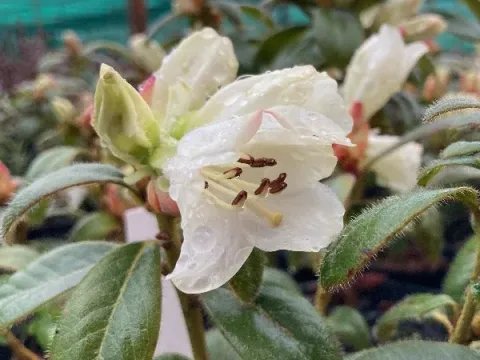
The plant is prized for its small, compact growth habit, typically reaching a height of 30 to 60 cm. It features delicate, cream-white flowers with prominent dark stamens, contrasted by dark green leaves that often possess a slight, hairy texture on the underside.
Cultivation success heavily depends on the soil composition. It strictly requires acidic, humus-rich soil that mimics its natural habitat. A mixture of peat moss, pine needles, and perlite is often used to ensure both acidity and proper drainage for the fine root system.
Environmental conditions should include partial shade to protect the foliage from scorching summer sun. Providing a site sheltered from harsh, drying winds is essential to prevent desiccation of the evergreen leaves throughout the growing season and winter.
Regular maintenance involves keeping the soil consistently moist but never waterlogged. Applying a layer of organic mulch around the root zone helps maintain soil acidity, suppresses weeds, and preserves moisture in the ground during hot weather.
Phytophthora root rot is one of the most common and devastating issues for this species. It is primarily caused by poor drainage and excessive soil moisture, which suffocate the roots and lead to rapid wilting of the entire shrub.
Powdery mildew can frequently affect the leaves, especially in humid and poorly ventilated conditions. This fungal infection manifests as a white, dusty layer on the leaf surface, which can lead to premature leaf drop if left untreated.
Pests such as spider mites and rhododendron bugs can significantly damage the plant. These insects feed on the sap, causing leaf discoloration, stippling, and a general decline in the plant's overall health and vigor during the summer months.
Vine weevils represent another significant threat; their larvae feed on the roots, often going unnoticed until the plant shows severe signs of decline. Adult weevils are known for chewing characteristic notches along the edges of the leaves.
Effective pest and disease management requires a combination of good sanitation and targeted chemical or biological treatments. Regularly cleaning up fallen leaves and performing early spring inspections can prevent major outbreaks and keep the shrub healthy.