
Rhododendron discolor
Rhododendron discolor
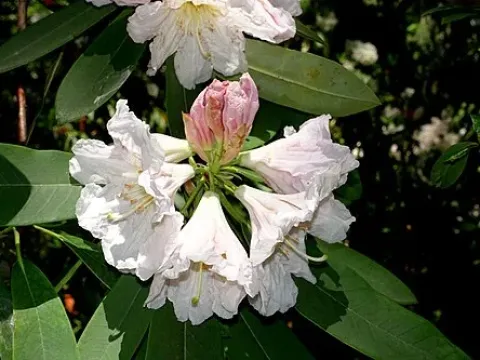
Rhododendron discolor is a remarkable evergreen shrub belonging to the Ericaceae family, native to the forest regions of China. It is highly valued in horticulture for its impressive stature, often reaching the size of a small tree, and its large, fragrant, pale-pink to white flowers that bloom in early summer.
What the section contains
Rhododendron discolor
The species requires a cool, humid climate and protection from intense direct sunlight and drying winds. Optimal placement is in partial shade, mimicking the sheltered forest conditions that characterize its natural habitat where it thrives under tree canopies.
The soil must be acidic, well-drained, and rich in organic matter to support the sensitive root system. Poor drainage leads to root rot, which is the most frequent cause of failure in cultivating this species; therefore, high aeration is non-negotiable for success.
Standard horticultural practices for this plant involve consistent mulching with pine needles or peat moss to maintain soil moisture and acidity levels. Supplemental watering with soft or rainwater is necessary during dry spells to ensure the plant does not undergo drought stress.
In landscaping, Rhododendron discolor is primarily used as an ornamental specimen in gardens and parks located in temperate zones. Its distinct fragrance and large floral display make it a prized addition to specialized collections of evergreen woody plants.
Common pests affecting this species include the rhododendron lace bug and spider mites, both of which thrive in dry conditions. Regular inspection of the foliage, particularly the undersides of the leaves, is necessary to implement pest control measures promptly.
Fungal diseases, especially Phytophthora root rot, pose a significant threat, particularly in poorly drained or waterlogged soils. Prevention focuses on selecting sites with excellent drainage and avoiding overcrowding, which hinders necessary air circulation.
Powdery mildew can affect the foliage if environmental conditions are overly humid with stagnant air. Management involves pruning to improve air movement and the judicious application of fungicides when the initial signs of white fungal growth appear.
Leaf chlorosis is frequently observed when the soil pH rises above the optimal range for this species. Corrective measures include applying iron chelates and ensuring that the water used for irrigation does not have a high mineral or alkaline content.
Winter care is essential in colder climates, where the plants should be protected from harsh, cold winds and rapid temperature drops. Applying a thick layer of organic mulch around the base protects the root system from deep freezing and sudden temperature fluctuations.