
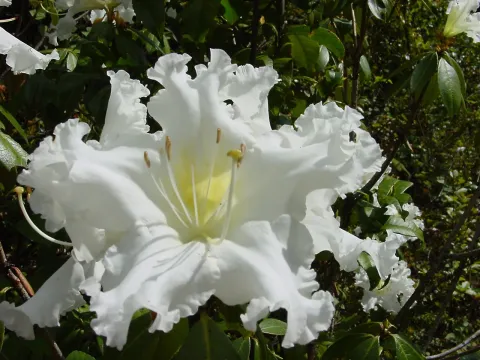
Rhododendron cubittii
Rhododendron cubittii
Rhododendron cubittii is a distinguished member of the Ericaceae family, admired for its exquisite floral display and aromatic properties. It originates from the high-altitude forests of Southeast Asia, specifically Myanmar and adjacent regions, where it thrives in cool, humid environments.
What the section contains
Rhododendron cubittii
This species requires a highly specific environment to flourish. It demands acidic soil conditions with a pH level between 4.5 and 5.5. The planting medium must be well-drained, porous, and rich in organic matter to mimic the natural forest floor habitat where these shrubs naturally grow.
Climatic requirements focus on stability and humidity. Rhododendron cubittii is sensitive to extreme temperature fluctuations and dry atmospheric conditions. In many regions, it is best suited for greenhouse cultivation or protected temperate gardens where humidity can be managed artificially.
Strategic planting in partial shade is essential to protect the foliage from intense direct sunlight, which can cause leaf scorch. Providing a sheltered location protects the shrub from strong winds that dehydrate the leaves and weaken the overall structure of the plant.
Agricultural management involves careful hydration using soft, mineral-free water. Regular mulching is a cornerstone of its care; using pine bark or needles keeps the root zone cool, suppresses weed growth, and maintains the necessary soil acidity levels required for nutrient uptake.
Phytophthora root rot remains the most serious threat to this species. It is typically triggered by overwatering or compacted soil that prevents proper drainage. Preventive measures include ensuring a raised planting position and improving the aeration of the root substrate.
Insect pests, such as lace bugs, often infest the underside of leaves, causing discoloration and significant loss of photosynthetic efficiency. Integrated pest management, including systemic insecticides and regular inspection of foliage, is recommended for maintaining plant health.