
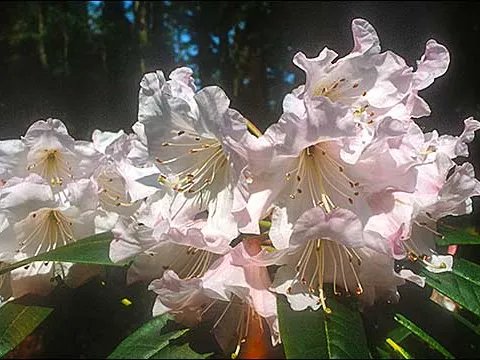
Rhododendron detonsum
Rhododendron detonsum
Rhododendron detonsum is a distinctive evergreen shrub belonging to the Ericaceae family. Originating from the mountainous regions of Yunnan, China, this species is highly valued by collectors for its elegant foliage and specific growth habits in high-altitude environments.
What the section contains
Rhododendron detonsum
To cultivate this species successfully, gardeners must provide highly acidic soil with a pH ranging between 4.5 and 5.5. The medium must be well-drained, porous, and rich in organic matter, such as leaf mold or peat, to prevent the roots from suffering in waterlogged conditions.
This rhododendron thrives in partial shade where it is protected from intense midday sun, which can easily scorch its leaves. A location under the canopy of larger trees is ideal, as it mimics the natural woodland habitat and provides the necessary humidity and filtered light.
Climatic requirements focus on maintaining high atmospheric humidity and moderate temperatures. Because the plant is sensitive to temperature extremes, winter protection using frost cloths or mulch is recommended in temperate regions to safeguard the dormant buds from frost damage.
Proper maintenance involves consistent moisture management, avoiding complete drying of the root ball while ensuring there is no standing water. Annual mulching with pine needles or bark helps maintain the soil's low pH level and contributes to a healthier root development environment.
The primary health threats to this shrub include fungal diseases like Phytophthora root rot, which are often triggered by poor drainage. Mitigation includes ensuring proper site preparation and the application of suitable soil fungicides during the early stages of infection.
Pests such as the rhododendron bug and spider mites are common enemies that thrive in drier, poorly ventilated conditions. Monitoring the underside of the leaves is essential, and applying horticultural oils or specific insecticides can effectively manage these populations.