
Rhododendron diaprepes
Rhododendron diaprepes
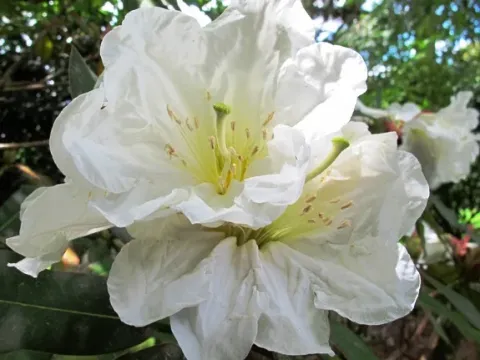
Rhododendron diaprepes is a vigorous, large-growing evergreen shrub belonging to the Ericaceae family. It is known for its impressive stature, often reaching several meters in height, and its large, fragrant blossoms that make it a highly desirable specimen for botanical gardens.
What the section contains
Rhododendron diaprepes
The species originates from the mountainous forests of southwestern China, specifically Yunnan province. Its evolutionary adaptation to these cool, moist, and high-altitude forest ecosystems dictates the specific environmental requirements needed for successful cultivation in human-managed landscapes.
Successful growth of this rhododendron strictly depends on the soil conditions. It requires acidic, well-draining, humus-rich soil with a pH typically between 4.5 and 5.5. Providing an excellent drainage system is vital to prevent root rot, which is a common fatal issue for this species.
The climate requirements include a preference for sheltered, partially shaded environments. Exposure to harsh afternoon sun or strong, drying winds should be avoided to prevent foliar damage. Consistent atmospheric humidity is also key to maintaining the plant's health throughout the growing season.
Cultural practices involve maintaining a thick layer of organic mulch, such as pine needles or wood chips, around the base. This practice not only suppresses weeds and retains soil moisture but also reinforces the acidic environment required for optimal nutrient uptake through the root system.
Phytophthora root rot remains the primary threat to Rhododendron diaprepes, especially in soils with poor drainage. Proactive disease management includes ensuring optimal site selection and using preventative fungicides if the local environmental conditions favor pathogen development.
Insect pests such as rhododendron bugs and spider mites are frequent invaders. These pests feed on the underside of leaves, causing discoloration and significant loss of vigor. Regular monitoring and the application of horticultural oils or systemic insecticides are recommended to keep the infestation levels under control.