
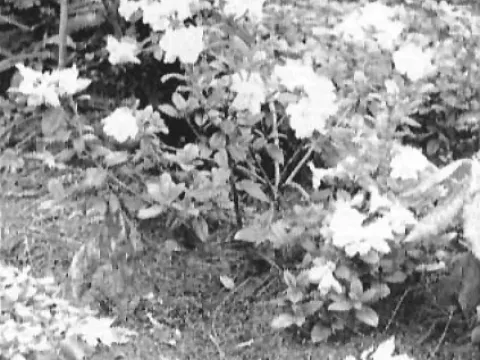
Rhododendron euchaites
Rhododendron euchaites
Rhododendron euchaites is an ornamental evergreen shrub belonging to the Ericaceae family. Known for its distinct botanical characteristics, it serves as a sophisticated addition to gardens that can support specialized acid-loving flora.
What the section contains
Rhododendron euchaites
Native to the high-altitude regions of Southwest China and Myanmar, this species thrives in climates characterized by high atmospheric humidity and moderate temperatures. It is an alpine plant that requires consistent environmental conditions to maintain its structural integrity and health.
The success of this cultivation depends largely on the soil profile, which must be highly acidic, typically ranging from pH 4.5 to 5.5. The planting medium should be rich in organic matter, such as leaf mold or peat, providing high water-holding capacity while ensuring rapid drainage to prevent root asphyxiation.
Light management is essential for Rhododendron euchaites; it performs best in dappled shade or a site with protection from direct afternoon sunlight. Exposure to harsh, drying winds should be mitigated, as these can cause significant foliage damage and winter desiccation.
In terms of хозяйственное usage, it is primarily grown for ornamental purposes in botanical gardens and private collections. Its vibrant, trumpet-shaped flowers and dense, evergreen foliage make it a prized specimen for temperate-zone horticulture and landscape architecture.
Common botanical threats include various fungal pathogens that target the root system, particularly when soil moisture management is neglected. Root rot is a leading cause of plant loss, necessitating the use of sterile growing media and cautious irrigation practices.
Pest issues frequently involve Rhododendron bugs and spider mites, which can disfigure foliage and weaken the plant's overall vigor. Integrated pest management strategies, including monitoring and localized treatments, are recommended to maintain the ornamental quality of the shrub.