
Rhododendron flavidum
Rhododendron flavidum
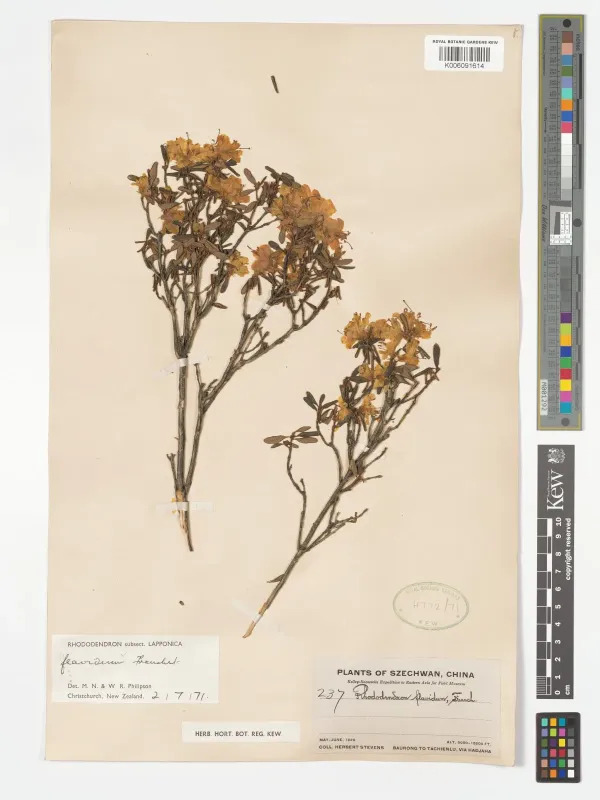
Description
Growing requirements
Rhododendron flavidum is a distinguished member of the Ericaceae family, native to the alpine regions of Western China. This evergreen shrub is highly valued for its compact growth habit and early spring display of pale yellow, funnel-shaped flowers.
This species requires highly acidic soil with a pH level between 4.5 and 5.5 to thrive. It is essential to provide a well-draining, organic-rich growing medium, typically composed of peat moss, perlite, and coniferous bark.
The plant thrives in dappled shade or partial sun, as direct afternoon sunlight can scorch its delicate foliage. Shelter from strong, drying winds is crucial, especially during the colder months when the foliage is susceptible to desiccation.
Proper water management is vital for the health of Rhododendron flavidum. The root zone should be kept consistently moist but never waterlogged, as poor drainage is the primary cause of root rot in this species.
In landscaping, it serves as an excellent specimen for rock gardens, small borders, or mass plantings. Its slow growth rate makes it a manageable choice for container gardening, provided that the container offers sufficient drainage.
Main diseases and pests
The primary pathological threats to this species include phytophthora root rot and leaf spot diseases caused by various fungi. High humidity combined with poor airflow significantly increases the risk of infection.
Common insect pests affecting the shrub include rhododendron bugs, which suck sap from the leaves, and spider mites, which are particularly active during hot and dry spells throughout the growing season.
Preventative cultural practices such as mulching with pine needles or bark help regulate soil temperature and retain moisture, which strengthens the plant's natural defense systems against opportunistic pathogens.
Effective pest management involves early detection through routine inspections of the foliage and stems. When chemical control is necessary, select targeted insecticides that do not harm beneficial pollinators.
Maintenance pruning should be minimal, focusing on the removal of dead or crossing branches to encourage healthy growth and improved air circulation within the shrub's canopy.