
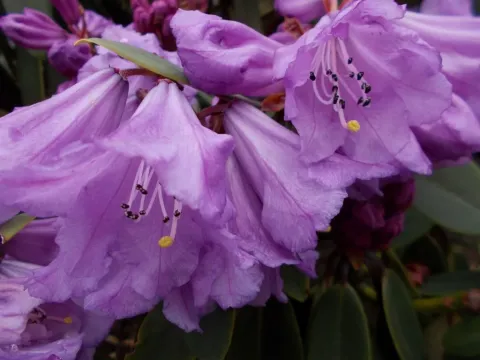
Rhododendron davidii
Rhododendron davidii
Rhododendron davidii is a distinguished member of the Ericaceae family, native to the high-altitude forests of western China. This shrub is recognized for its impressive floral displays and robust structure, thriving in environments characterized by cool temperatures and significant rainfall.
What the section contains
Rhododendron davidii
Successful cultivation of this species requires a specific soil composition. The substrate must be highly acidic, typically ranging between pH 4.5 and 5.5, and must possess an excellent drainage profile to prevent the accumulation of moisture, which is toxic to the plant's delicate root system.
Environmental preferences for this shrub include partially shaded locations protected from harsh, desiccating winds. Rhododendron davidii performs best when planted in areas where the soil temperature remains relatively cool during the peak summer months, often assisted by organic mulching techniques.
The primary horticultural application of this species is ornamental landscaping. It is frequently employed in specialized acid-soil gardens, woodland settings, or as an accent plant that provides seasonal structure and color to the landscape throughout the year.
Maintenance practices involve consistent hydration using non-alkaline water and the application of fertilizers specifically formulated for acid-loving shrubs. Avoiding over-fertilization and ensuring the soil surface is kept cool are essential components of a successful long-term maintenance strategy.
Common health issues for this species include fungal infections such as root rot and Phytophthora. These are most prevalent in soil that lacks proper drainage, making soil preparation and irrigation control the primary defense mechanisms for the gardener.
Pest management should focus on common threats like lace bugs and spider mites, which can cause significant foliar damage. Monitoring the health of the plant regularly and utilizing integrated pest management practices is recommended to maintain the aesthetic and physical integrity of the shrub.