
Rhododendron concatenans
Rhododendron concatenans
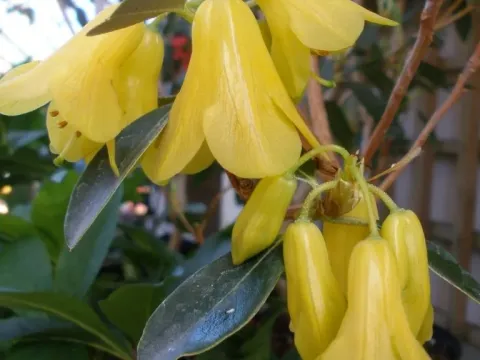
Rhododendron concatenans is an exquisite species belonging to the Ericaceae family, native to the high-altitude regions of Tibet. This evergreen shrub is highly valued for its distinctive, often apricot or brownish-yellow, bell-shaped flowers that bloom in the late spring.
What the section contains
Rhododendron concatenans
The culture requires specific soil conditions to thrive. It necessitates acidic, well-draining soil rich in organic matter. A mixture of sphagnum peat, pine needles, and grit is ideal to mimic the natural mountain habitat and ensure optimal root health and oxygen exchange.
Climate requirements for this species are centered around cool, humid conditions with protection from harsh, direct sunlight. Providing dappled shade is essential to prevent leaf scorching and desiccation during the warmer months, especially in regions with hot summers.
Standard agrotechnical practices involve consistent moisture management. While the plant loves humidity, stagnant water is strictly forbidden, as it leads to root rot. Mulching with acidic organic materials, such as wood chips or bark, helps maintain root moisture and soil pH levels.
In terms of хозяйственное usage, Rhododendron concatenans is primarily utilized in landscape gardening. Its unique form and attractive foliage make it a prized specimen for alpine gardens, woodland plantings, and specialized collections of rare ericaceous species.
Common threats to this species include phytophthora root rot, which is a severe fungal disease favored by poor drainage. Prevention is the key strategy, focusing on site selection and ensuring proper soil aeration throughout the growing season.
Pests like rhododendron leafhoppers and spider mites can cause significant damage to the plant. Integrated pest management, including regular inspection and the use of insecticidal soaps or specific treatments, is necessary to maintain the health and vigor of the shrubs.