
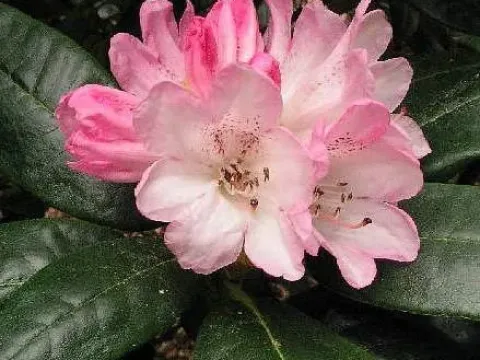
Rhododendron clementinae
Rhododendron clementinae
Rhododendron clementinae is a distinguished evergreen shrub belonging to the Ericaceae family, native to the high-altitude regions of Sichuan, China.
What the section contains
Rhododendron clementinae
This species thrives in cool, humid environments that replicate the subalpine conditions of its natural habitat, favoring moderate temperatures year-round.
Cultivation requires acidic, well-draining soil rich in organic matter, such as peat moss or leaf mold, to support its delicate root system and ensure proper nutrient uptake.
The plant is best positioned in partial shade, away from direct midday sun, which can cause leaf scorch and compromise the health of the foliage.
Botanically, it is noted for its compact growth habit and large, bell-shaped flowers that bloom in clusters, offering significant aesthetic value for landscape design.
Root rot caused by Phytophthora species represents the most significant threat to Rhododendron clementinae, usually resulting from waterlogged soil and poor aeration.
Powdery mildew may develop on the leaves in environments with stagnant air, necessitating proper spacing and selective pruning to improve airflow around the shrub.
The rhododendron lace bug is a common pest that feeds on the underside of leaves, leading to chlorosis and potential defoliation if left unmanaged.
Nematode infestations can also inhibit root development, making the plant more susceptible to stress and environmental damage during cold winters.
Integrated pest management, including regular inspection and the use of targeted fungicides or insecticides, is essential for maintaining the vigor of these shrubs.