
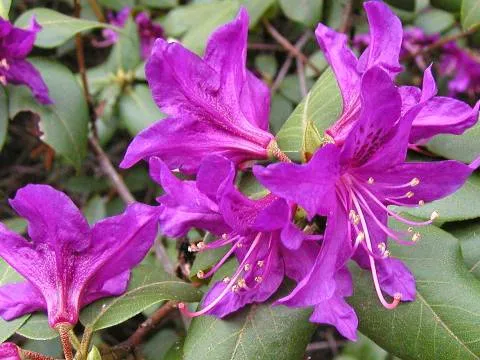
Rhododendron concinnum
Rhododendron concinnum
Rhododendron concinnum is an elegant species belonging to the Ericaceae family. Native to the mountainous regions of China, this shrub is highly valued for its refined appearance and beautiful flowering display.
What the section contains
Rhododendron concinnum
The plant requires acidic, well-draining soil with a pH between 4.5 and 5.5. Heavy clay soils are unsuitable and should be amended with organic matter like pine bark or peat moss to improve drainage and acidity.
As a forest-dwelling species, it thrives in partial shade or dappled sunlight. Direct, harsh sunlight can scorch the foliage, while complete darkness will significantly reduce the number of blossoms produced each year.
Adequate moisture is essential, especially during the active growth phase in spring. However, the root zone must never be waterlogged, as this leads to root suffocation and eventually plant decline.
The botanical structure consists of delicate, lanceolate leaves and clusters of bell-shaped flowers ranging in shades from lavender to deep purple. It remains an evergreen plant in most environments, adding greenery throughout the winter.
Root rot is the most common and dangerous disease, usually triggered by poor drainage or excessive watering. Once the root system is compromised, the plant shows signs of wilting and browning leaves.
Pests such as the rhododendron lace bug can cause significant cosmetic damage by sucking juices from the underside of leaves. This results in stippling and overall chlorosis of the foliage.
Spider mites are another frequent problem, particularly during hot and dry summer months. Regular misting or the application of horticultural oils helps manage these infestations effectively.
Chlorosis, caused by an alkaline soil environment, often manifests as yellowing leaf tissue while veins remain green. This can be corrected by applying iron chelate and maintaining appropriate soil acidity.
- Apply organic mulch to retain soil moisture and protect shallow roots.
- Use rainwater or acidified water for irrigation to maintain pH levels.
- Inspect foliage frequently during early spring for signs of pest activity.