
Bejaria
Bejaria
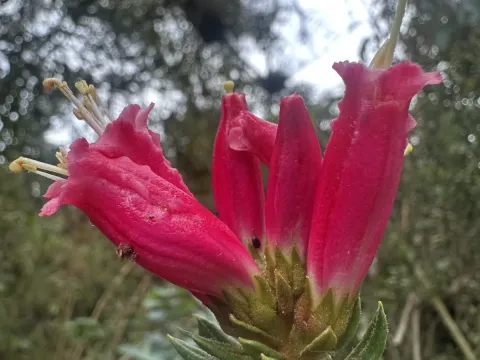
Bejaria is a genus of evergreen shrubs and small trees belonging to the Ericaceae family. Known commonly as the "Andean rose," these plants are appreciated for their stunning floral displays that resemble traditional roses but possess unique botanical characteristics.
What the section contains

Bejaria
The genus originates from the mountainous regions of Central and South America. They naturally thrive in high-altitude habitats such as cloud forests, where they are accustomed to cool temperatures and high levels of moisture throughout the year.
Botanically, Bejaria is distinguished by its leathery leaves and five-petaled flowers, which often appear in various shades of pink and white. These structures provide significant visual impact, making them a sought-after species for specialized gardens.
Cultivation requires specific soil conditions: the substrate must be highly acidic and possess excellent drainage properties. Because the root system is sensitive to waterlogging, gardeners must ensure the soil remains aerated and not compacted.
In terms of хозяйственного (utilitarian) use, Bejaria is primarily grown as an ornamental plant. Its ability to tolerate cool conditions makes it an excellent choice for landscaping in temperate climates that mimic the conditions of Andean highlands.
The primary threats to Bejaria include fungal pathogens that target roots and stems under poor drainage conditions. Maintaining optimal airflow around the shrub and preventing standing water are the best ways to mitigate these risks.
Insect pests such as aphids, mites, and scale insects can frequently infest the foliage. Regular monitoring and, if necessary, the application of horticultural oils or specialized insecticides are required to protect the plant's structural integrity.