
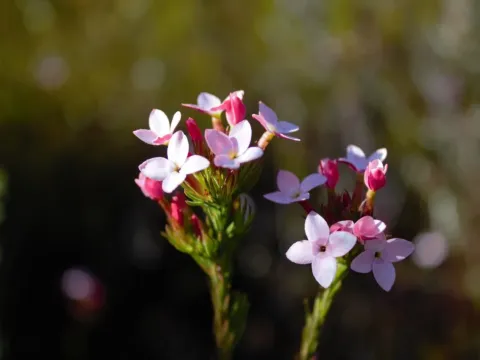
Erica fastigiata
Erica fastigiata
Propagation of Erica fastigiata is typically achieved through seeds or stem cuttings in specialized nursery conditions to ensure optimal development.
What the section contains
Erica fastigiata
Seeds are sown on the surface of an acidic, peat-based substrate. They require high humidity and consistent temperatures around 18-20°C to facilitate uniform germination.
Stem cuttings are the preferred method for commercial production. Cuttings taken from current season growth root best in a mix of peat and perlite under mist irrigation.
Once established, seedlings or rooted cuttings undergo a hardening-off phase before being transplanted into nursery containers or outdoor field plots.
Spacing is vital for this species, as it requires adequate airflow to prevent fungal issues; planting should be done at intervals that allow for canopy expansion.
Erica fastigiata is a member of the Ericaceae family, a group of plants strictly adapted to acidic and nutrient-poor soil conditions.
The plant thrives in well-drained, sandy, or peat-rich soils with a low pH. It cannot tolerate heavy clay soils or lime-rich environments which induce iron deficiency.
Sunlight exposure is a critical factor for success; the species requires full sun to maintain its distinct shape and produce prolific floral displays.
Irrigation should be performed with soft or rainwater to prevent alkalinity build-up. The root zone must remain moist but never waterlogged to avoid root rot.
Winter hardiness varies, but generally, the species prefers temperate maritime climates where it is protected from extreme temperature fluctuations and dry, freezing winds.
As an ornamental crop, Erica fastigiata is cultivated for its aesthetic appeal in rock gardens, borders, and managed landscapes.
Harvesting for floral use involves cutting stems when the flowers are fully developed, ensuring the foliage remains vibrant and free of blemishes.
Pruning is an essential post-harvest activity. Cutting back spent blooms encourages the plant to maintain a compact, vigorous form and prevents it from becoming woody at the base.
In commercial settings, regular shaping ensures that the plant meets industry standards for container-grown nursery stock.
Strategic timing of pruning, usually performed immediately after the flowering period, is necessary to prepare the plant for the following season's growth cycle.
The most significant threats to Erica fastigiata are fungal infections, particularly Phytophthora and gray mold, which are favored by high humidity and poor soil drainage.
Root rot represents a lethal threat if the soil remains excessively wet, making careful irrigation management the primary line of defense.
Pests such as spider mites can infest the foliage, particularly during hot, dry summer months, leading to discoloration and a decline in plant vigor.
Integrated Pest Management (IPM) practices, including the use of appropriate fungicides and acaricides, are necessary to maintain crop health.
Good cultural practices, such as removing debris and ensuring adequate spacing, significantly reduce the incidence of both pest and disease outbreaks in field production.