
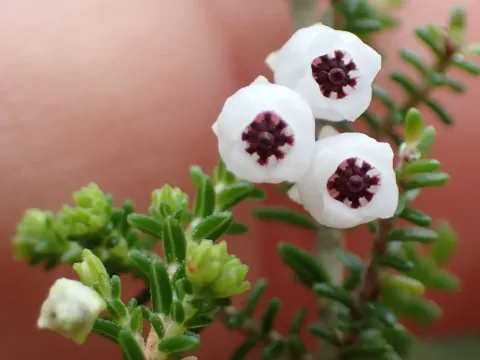
Erica formosa
Erica formosa
Erica formosa is a distinct evergreen shrub belonging to the Ericaceae family. Known for its elegant growth habit, this species is highly valued in horticulture for its contribution to decorative landscapes and botanical collections.
What the section contains
Erica formosa
Originating from the Cape region of South Africa, this plant has evolved to thrive in specific environmental conditions. It is naturally adapted to nutrient-poor soils, making it a specialized crop that requires careful management in a domestic garden setting.
The plant requires bright, well-lit locations to maintain its structural integrity and blooming potential. While it can tolerate partial shade, consistent exposure to sunlight is beneficial for its long-term health and growth vigor.
Soil chemistry is the most critical factor for the success of Erica formosa. It demands an acidic soil environment with a pH between 4.5 and 5.5, which mimics its natural habitat and allows for proper nutrient uptake.
Water management is equally vital; the irrigation must be performed using soft, non-alkaline water. Because the root system is highly sensitive to waterlogging, planting sites must feature excellent drainage to prevent root rot and physiological stress.
Fungal diseases are the primary threat to Erica formosa, especially when drainage is inadequate. Phytophthora root rot is particularly destructive, often resulting in rapid plant collapse if the soil remains saturated for extended periods.
Powdery mildew represents another common concern, particularly in environments with poor air circulation. This fungal disease creates a white coating on foliage, which inhibits photosynthesis and weakens the plant significantly over time.
Spider mites are the most frequent pest challenge for this species. These microscopic arachnids thrive in dry conditions and can cause severe damage by piercing the leaves, leading to chlorosis and potential leaf drop if left untreated.
Root-knot nematodes can also compromise the plant's health, causing stunted growth and poor vitality. Early detection through soil analysis is recommended to prevent these pests from spreading throughout a planting area.
Effective management includes maintaining a balance between moisture and aeration, combined with timely applications of targeted fungicides and miticides. Keeping the surrounding area clean of debris also reduces the risk of recurrent infestations.