
Daboecia
Daboecia
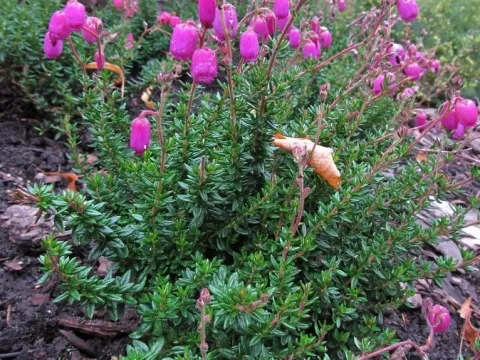
Daboecia is a genus of flowering shrubs within the Ericaceae family, widely known for its bell-shaped flowers and evergreen foliage. These plants are closely related to heathers and heaths, sharing similar ecological preferences and morphological characteristics.
What the section contains


Daboecia
The native range of Daboecia is restricted to Western Europe, specifically Atlantic regions such as Ireland and Northern Spain. Due to its origin, the plant thrives best in regions characterized by cool, damp summers and mild winters without significant soil freezing.
Successful cultivation requires specific soil conditions, primarily an acidic environment with a pH between 4.5 and 5.5. The growing medium must be highly porous and well-drained, as Daboecia is extremely sensitive to waterlogged conditions that lead to root asphyxiation.
Regarding climate requirements, Daboecia prefers sites with high atmospheric humidity and partial shade in areas with hot summers. Regular moisture is essential, but the plant requires a balance; the soil should be consistently moist but never water-soaked.
In terms of practical use, Daboecia serves as a key ornamental component in heath gardens and rockeries. Its long blooming season, lasting from early summer well into autumn, makes it a highly valued plant for ornamental landscaping in cool-temperate climate zones.
The primary threats to Daboecia health are fungal pathogens, particularly Phytophthora root rot, which typically manifest in poorly drained soils. Management strategies prioritize preventive measures, such as proper site selection and the installation of effective drainage systems.
Pest issues are generally minimal under favorable growing conditions. However, infestations of aphids or spider mites may occur during periods of prolonged heat or drought. Prompt application of suitable pesticides or horticultural oils is recommended if pest presence is confirmed.