
Mariscus
Mariscus
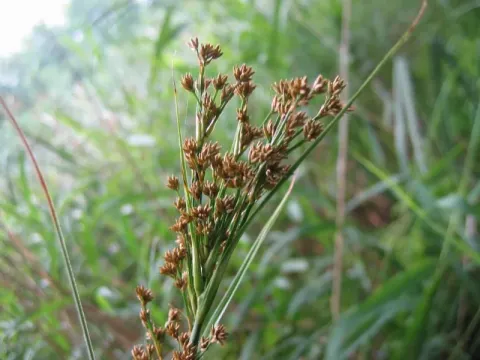
Mariscus is a genus of perennial herbaceous plants belonging to the Cyperaceae family. These plants are closely related to sedges and are characterized by their triangular stems and leaves that typically grow from the base, often forming dense clumps.
What the section contains
 Mariscus capensis
Mariscus capensis
Mariscus capensis
 Mariscus coloratus
Mariscus coloratus
Mariscus coloratus
 Mariscus cyperinus
Mariscus cyperinus
Mariscus cyperinus
 Mariscus dubius
Mariscus durius
Mariscus durius
Mariscus dubius
Mariscus dubius
Mariscus durius
Mariscus durius
 Mariscus hemisphaericus
Mariscus hemisphaericus
Mariscus hemisphaericus
 Mariscus indecorus
Mariscus indecorus
Mariscus indecorus
 Mariscus keniensis
Mariscus keniensis
Mariscus keniensis
 Mariscus laxiflorus
Mariscus laxiflorus
Mariscus laxiflorus
 Mariscus ligularis
Mariscus ligularis
Mariscus ligularis
 Mariscus macer
Mariscus macer
Mariscus macer
 Mariscus macrocarpus
Mariscus macropus
Mariscus macropus
Mariscus macrocarpus
Mariscus macrocarpus
Mariscus macropus
Mariscus macropus
 Mariscus radians
Mariscus radians
Mariscus radians
 Mariscus rehmannianus
Mariscus rehmannianus
Mariscus rehmannianus
 Mariscus sieberianus
Mariscus soyauxii
Mariscus soyauxii
Mariscus sieberianus
Mariscus sieberianus
Mariscus soyauxii
Mariscus soyauxii
 Mariscus sublimis
Mariscus sublimis
Mariscus sublimis
 Mariscus thunbergii
Mariscus thunbergii
Mariscus thunbergii
 Rusty-green mariscus
Mariscus ferrugineoviridis
Umbrella papyrus
Mariscus flabelliformis
Rusty-green mariscus
Mariscus ferrugineoviridis
Umbrella papyrus
Mariscus flabelliformis
Mariscus
Botanically, Mariscus species are well-adapted to aquatic or semi-aquatic environments, often spreading via underground rhizomes. The inflorescences consist of umbellate spikes that carry numerous small florets, which are wind-pollinated.
The origin of the genus is widely distributed across tropical and subtropical regions globally. These plants are typically found in floodplains, along the banks of water bodies, and in other areas where the water table is high throughout the growing season.
Successful cultivation requires high soil moisture levels and significant light exposure. While they are resilient, optimal growth occurs in nutrient-rich, organic soils with a neutral pH, ensuring high biomass production for various agricultural needs.
In terms of agricultural utility, Mariscus is often valued as a source of forage for livestock in wetland-dominated grazing systems. Additionally, the plant serves an important role in soil conservation, as its robust root system helps stabilize riverbanks and prevent soil erosion.
The primary diseases affecting Mariscus are fungal pathogens, specifically rusts and leaf spot diseases, which thrive in high-humidity microclimates. Managing these threats involves proper spacing to encourage air circulation and prevent fungal accumulation.
Pests that pose a threat to the crop include various coleopteran insects and soil-dwelling nematodes that can stunt growth. Integrated pest management strategies are recommended to maintain crop health without disrupting the surrounding wetland ecosystem.