
Mariscus indecorus
Mariscus indecorus
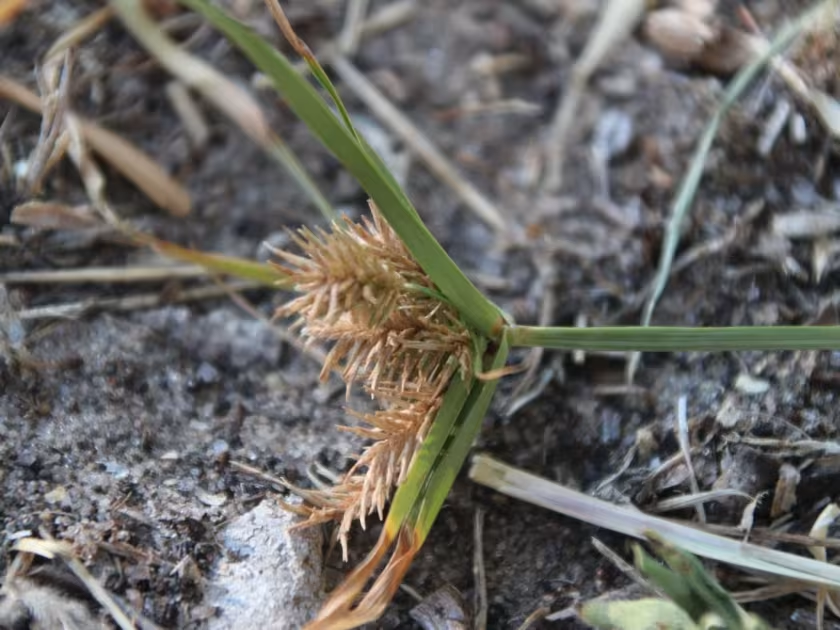
Description
Growing requirements
Mariscus indecorus is a perennial herb belonging to the Cyperaceae family. It is botanically closely related to the genus Cyperus, sharing similar morphological structures such as triangular stems and umbrella-like inflorescences.
The plant thrives in tropical and subtropical climates where high humidity and consistent solar radiation are available throughout the year. It is highly adapted to wetland environments, including riparian zones and marshy fields.
Soil requirements for optimal growth involve well-drained but moist substrates. The plant shows a remarkable tolerance for nutrient-poor soils, making it resilient in various ecological niches within its native range.
The root system of Mariscus indecorus is fibrous and extensive, which allows it to stabilize soils and prevent erosion, serving an important environmental function in its native ecosystem.
Morphologically, the plant develops dense clusters of vegetation. Its growth cycle is heavily dependent on moisture availability, and it is capable of surviving periodic dry spells due to its hardy rhizomes.
Main diseases and pests
The primary threats to Mariscus indecorus include fungal infections that target the roots, especially in stagnant water conditions where drainage is inadequate for the plant's physiological needs.
Insects, particularly those that bore into the stems or consume the soft foliage, are considered the main biological pests that can hinder the plant's biomass production during peak seasons.
Invasive weed species often outcompete this plant in managed areas, as Mariscus indecorus typically exhibits a slower establishment phase compared to fast-growing opportunistic weeds.
Environmental stressors, such as severe fluctuations in water tables or soil contamination, can inhibit the plant's ability to reproduce effectively via rhizome division or seed dispersal.
Mitigation strategies include regular monitoring of plant density and ensuring the site maintenance prevents the accumulation of excess organic waste, which could harbor common fungal pathogens.