
Mariscus sublimis
Mariscus sublimis
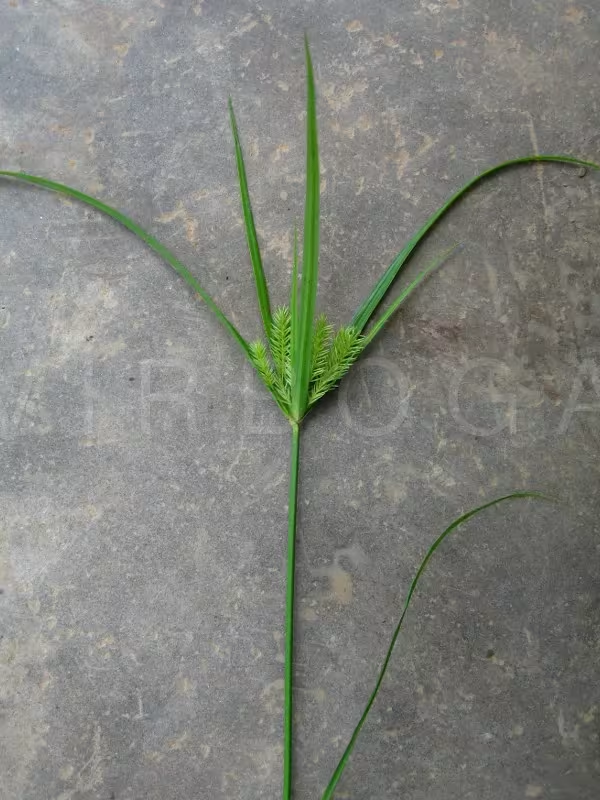
Description
Sowing dates
Mariscus sublimis is a perennial herb belonging to the Cyperaceae family, widely known for its ability to thrive in moist and water-logged environments.
Propagation is generally performed through seed dispersal or rhizome division, which is considered the most reliable method for agricultural establishment.
The optimal sowing time is during the spring months, ensuring that soil temperatures remain consistently warm, between 15°C and 20°C, for germination.
Seeds should be sown on the soil surface or covered with a very thin layer of substrate, as they often require light to initiate the germination process.
Establishing a new plantation requires high density spacing to ensure uniform growth and minimize weed competition during the early stages of development.
Growing requirements
The plant has specific ecological requirements, thriving primarily in wetlands, marshes, or areas with high water tables throughout the growing season.
It prefers nutrient-rich organic soils, such as peat or heavy loams, which possess high water retention capacities to support the plant's physiological needs.
Although it can tolerate partial shade, Mariscus sublimis reaches its maximum biomass potential when exposed to full sunlight in humid conditions.
Soil pH should ideally be neutral or slightly acidic; the plant exhibits signs of stress in highly alkaline soils or those lacking sufficient organic matter.
Adequate water management is the cornerstone of successful cultivation; continuous monitoring of soil moisture levels is necessary to prevent plant dehydration.
Yield
Biomass yield is heavily influenced by the nutrient availability and the consistency of the hydration regime provided throughout the growth cycle.
In well-managed fields, the plant shows vigorous regrowth after each harvest, allowing for multiple cuts during a single growing season under ideal conditions.
Productivity increases significantly with balanced nitrogen fertilization, provided that the water levels remain constant to facilitate nutrient absorption.
The total dry mass produced is a key indicator of the health and sustainability of the crop in its specific wetland habitat.
Advanced agricultural practices, including systematic pruning and soil enrichment, contribute to higher annual yields of high-quality vegetable matter.
Main diseases and pests
The primary threats to Mariscus sublimis include fungal infections that thrive in stagnant, high-humidity environments, leading to leaf blight and stem rot.
Insect pests that target Cyperaceae species can damage the succulent tissues, reducing both the aesthetic and commercial value of the crop.
Integrated pest management, focusing on biological controls rather than harsh chemical sprays, is highly recommended to maintain ecosystem health.
Field sanitation is critical; removing debris at the end of the season reduces the risk of overwintering pathogens that could threaten future crops.
Close monitoring of plant foliage for signs of chlorosis or abnormal growth patterns is essential for early detection and mitigation of potential outbreaks.
Harvesting
Harvesting should be conducted using specialized equipment designed for soft, wet ground conditions to prevent soil compaction and damage to rhizomes.
The ideal stage for harvest occurs right after the flowering phase, as this is when the nutrient content of the foliage is at its peak.
Post-harvest management involves rapid drying to prevent fermentation or mold development, which can occur quickly in such moisture-loving species.
If intended for industrial fiber use, slow drying in a shaded, well-ventilated area is preferred to maintain the tensile strength of the plant material.
Proper storage in dry, airy facilities ensures that the harvested mass remains free from microbial degradation until it is ready for processing.