
Machaerina
Machaerina
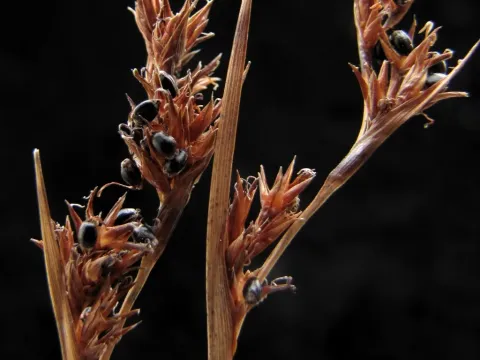
Machaerina is a genus of perennial sedge plants (Cyperaceae) widely distributed across tropical and subtropical wetland ecosystems. These plants are recognized for their ability to thrive in nutrient-poor and saturated soils where competing vegetation often struggles to survive.
What the section contains

Machaerina
Botanically, the plant features robust, grass-like structures with distinct, sharp-edged leaves. Their root systems are highly specialized, enabling them to anchor effectively in loose, waterlogged peat or silt, which is characteristic of marshy environments.
The cultivation requirements for Machaerina are strictly focused on water management. As a true hydrophyte, the plant necessitates constant saturation of the soil profile. It thrives in high-humidity climates where the temperature remains consistently warm throughout the year.
Soil management for this culture involves maintaining acidic conditions with significant organic content. The plant does not require heavy fertilization, as it is evolved to extract necessary nutrients from the naturally occurring detritus found in its native wetland habitats.
The agricultural and economic utility of Machaerina centers on its fibrous qualities. Historically utilized for craft industries, it is now studied for potential use in bio-fiber production and as a key component in restoring natural wetland corridors to enhance biodiversity and water quality.