
Mariscus macrocarpus
Mariscus macrocarpus
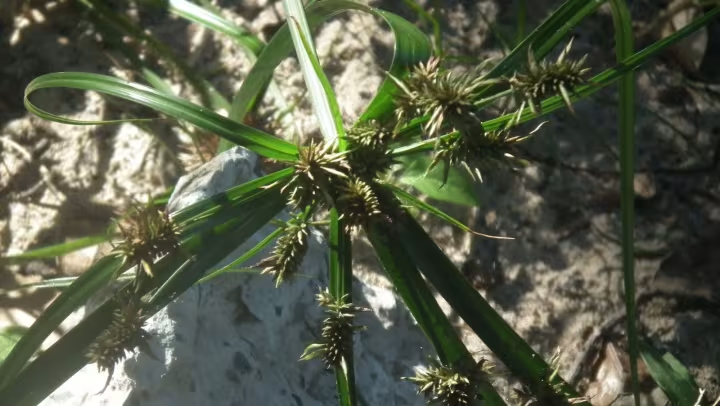
Description
Growing requirements
Mariscus macrocarpus, a member of the Cyperaceae family, is a perennial herbaceous plant adapted to moist and riparian environments. Its botanical structure is characterized by sturdy culms and a well-developed rhizome system that allows it to thrive in saturated soil conditions.
The plant thrives best in loamy to alluvial soils with a neutral pH level. It demonstrates a high tolerance for waterlogged conditions, making it an excellent candidate for agricultural reclamation in lowland areas that are prone to seasonal flooding.
Optimal growth occurs at temperatures ranging between 20°C and 28°C. While the species is resilient, extreme cold can cause dieback of the above-ground biomass, although the rhizome typically remains dormant and viable until the return of warmer conditions.
Full sun exposure is preferred for maximum biomass accumulation. Although it can tolerate partial shade, insufficient light often results in thinner stems and a reduced overall yield per hectare, limiting its commercial potential.
Nutrient management is critical for productivity. Regular applications of balanced fertilizers, particularly nitrogen during the active growth phase, are required to sustain high-yield cycles in commercial farming settings.
Yield
The biomass yield of Mariscus macrocarpus is highly dependent on water availability and soil fertility levels. In well-managed environments, the plant exhibits vigorous growth, capable of producing multiple harvests within a single growing season.
Under optimal agricultural conditions, the estimated dry matter yield per hectare is comparable to other wetland sedge crops. Precise figures depend on local soil composition, climate, and the specific application of irrigation systems.
Yield stability is maintained by the plant's ability to regenerate quickly from established rhizomes. This perennial nature ensures that the crop provides consistent output over several years without the need for constant annual replanting.
Harvesting efficiency plays a significant role in the net yield. Minimizing losses during the cutting and gathering process is essential, as the fine structure of the stems can be prone to breakage if handled improperly during the drying stage.
Future potential for increased yields lies in selective breeding for improved vigor and stem strength, as well as the implementation of integrated pest management strategies to protect the stand from common environmental stressors.
Main diseases and pests
Like many members of the sedge family, Mariscus macrocarpus is susceptible to various fungal pathogens, particularly in conditions of high humidity and poor air circulation. Rust diseases and leaf spots are the most frequently observed symptoms.
Pest pressure from insects that feed on the succulent tissues of the stem can also reduce yield. Regular scouting is required to identify early infestations, which can be managed through sustainable biological controls or targeted applications.
Competition from aggressive invasive weeds remains a primary threat during the establishment phase. Because the plant grows slowly during the first few weeks, maintaining clean fields is necessary to ensure the crop gains a competitive advantage.
Poor drainage, despite the plant's tolerance to moisture, can lead to root decay if the water becomes stagnant for long periods. Ensuring at least minimal soil aeration is necessary to prevent the development of anaerobic conditions around the rhizomes.
Adverse weather events, such as prolonged drought or severe late-season frosts, represent environmental threats that can stall development. Protecting the crop during these periods often involves managing water levels to buffer against extreme temperature or moisture fluctuations.
Harvesting
The harvest cycle for Mariscus macrocarpus should be aligned with the plant's physiological development to optimize quality. The ideal stage for cutting is just as the flower spikes begin to emerge, which balances biomass weight with nutritional value.
Using standard mechanical harvesting equipment is effective, provided the cutting height is set to allow for regrowth. A target height of approximately 5 to 10 centimeters ensures that the rhizome base remains intact for rapid subsequent development.
After cutting, the biomass must be dried systematically. Field drying in loose swaths is common, but care must be taken to flip the material regularly to prevent the interior of the pile from developing mold due to moisture trapped in the dense stems.
If the material is destined for industrial processing, such as fiber extraction or basketry, the harvest may be delayed until the culms are fully matured. This produces a higher-quality fiber with greater tensile strength and structural integrity.
Storage of the harvested biomass requires dry and well-ventilated conditions. Exposure to high moisture after drying can significantly diminish the quality of the raw material, potentially leading to total loss of the crop batch.