
Mariscus capensis
Mariscus capensis
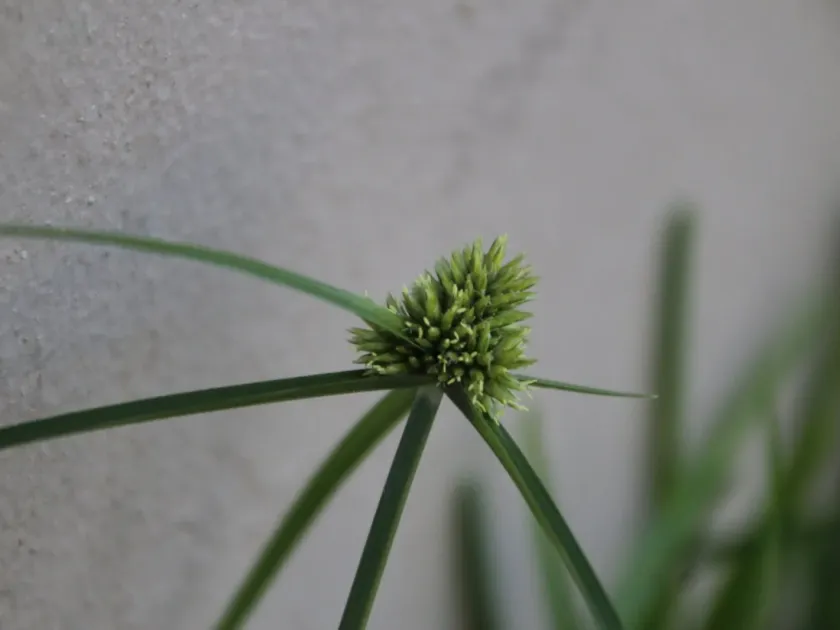
Description
Growing requirements
Mariscus capensis is a perennial herbaceous plant belonging to the Cyperaceae family. It is recognized for its robust growth habit and ability to adapt to varying hydrological conditions.
The plant thrives in moist soil environments, making it suitable for areas where typical agricultural crops might struggle with excess water content.
It prefers well-drained but consistently moist soil, rich in nutrients, with a slight preference for loamy compositions that support its extensive root system.
Regarding climate, it exhibits resilience to moderate temperature fluctuations, though it performs optimally in temperate to subtropical zones.
Full sunlight exposure is highly recommended to encourage dense vegetative development and prevent the elongation of stems, which can weaken the plant structure.
Yield
The primary agricultural utility of Mariscus capensis lies in soil stabilization and erosion control, thanks to its dense rhizomatous network.
As a biomass resource, it has potential in phytoremediation projects, where its rapid uptake of nutrients helps in purifying localized water runoff.
Yield metrics for this species are usually measured in dry matter per hectare, which peaks when the plant reaches maturity before the seeding stage.
- Supports biodiversity in restored wetlands.
- Effective for slope protection in riparian buffers.
- Can be harvested as secondary biomass for organic mulching.
Continuous monitoring of moisture levels is the most critical factor in maximizing the overall yield of the green mass during the active growing season.
Main diseases and pests
Fungal pathogens associated with high humidity are the most significant threats to the health of the plant, often leading to leaf spotting and rot.
Pests such as certain types of mites or beetles may occasionally target the stalks, requiring careful observation of the plant's structural integrity.
Invasive weed encroachment during the seedling stage poses a severe threat, as Mariscus capensis is relatively slow to establish in its first year.
Good agricultural practices, such as maintaining proper spacing and ensuring adequate airflow, are essential to minimize the risk of widespread infections.
Biological controls and cultural management techniques are preferred over chemical treatments to maintain the ecological balance of the cultivated area.