
Maori sedge
Carex maorica
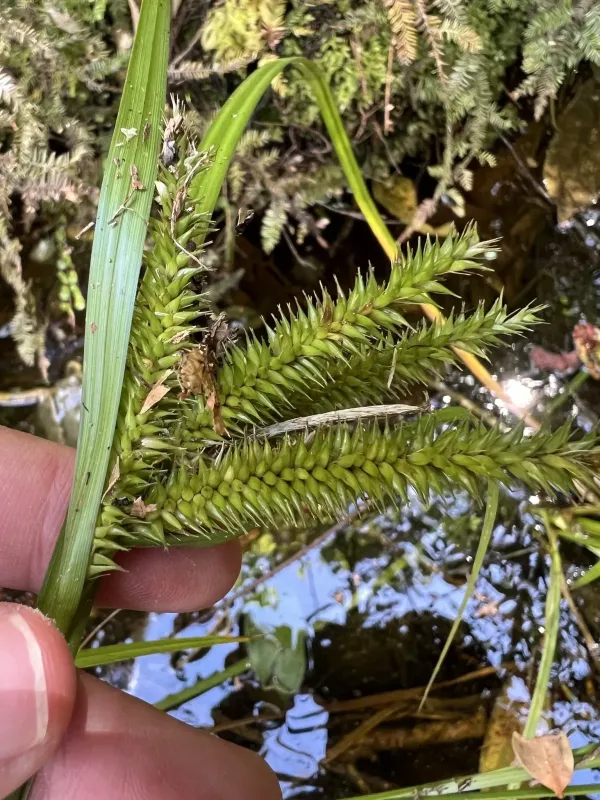
Description
Growing requirements
Maori sedge (Carex maorica) is a perennial member of the Cyperaceae family, native to New Zealand. It is specifically adapted to riparian habitats and moist soils, making it an excellent choice for stabilizing pond edges or landscaping low-lying garden areas.
The plant features long, linear leaves that grow in dense, upright clumps, reaching a height typically between 40 and 80 centimeters. This aesthetic structure provides a soft yet robust texture to any planting scheme, often used in naturalistic garden designs.
In terms of environmental requirements, Carex maorica thrives in full sun to partial shade. However, consistent moisture is the critical factor for its successful establishment, as the species is biologically programmed to handle saturated soil conditions.
The ideal soil for this sedge is rich, loamy, and moisture-retentive. While it can handle slightly acidic to neutral soil pH, organic matter enrichment significantly improves the overall growth rate and vigor of the clumps during the summer growing season.
Cultural practices involve minimal intervention once the plant is established. It is considered a hardy perennial in many climates, although in extremely cold regions, some protection for the base of the plant might be necessary during the first winter.
Main diseases and pests
The primary threats to Maori sedge are fungal pathogens, specifically those that thrive in stagnant air conditions or water-logged environments where root oxygenation is poor.
Pests are generally not a major concern; however, occasionally aphids may settle on the new, tender growth during the early spring season, requiring simple water spraying to remove them.
Root rot is the most common physiological disorder, usually caused by improper soil drainage or over-fertilization, which encourages succulent, weak growth susceptible to decay.
Maintaining proper spacing between individual plants is essential to ensure adequate airflow, which acts as a primary defense against powdery mildew and leaf spotting diseases.
Integrated pest management suggests that keeping the planting site clean from excessive debris and removing dead foliage in the early spring is the best way to prevent potential outbreaks of diseases.