
Mariscus hemisphaericus
Mariscus hemisphaericus
Description
Growing requirements
Mariscus hemisphaericus belongs to the Cyperaceae family, commonly known as the sedge family. This perennial plant is widely adapted to tropical and subtropical climates, where it thrives in environments characterized by significant moisture and high biodiversity of wetland flora.
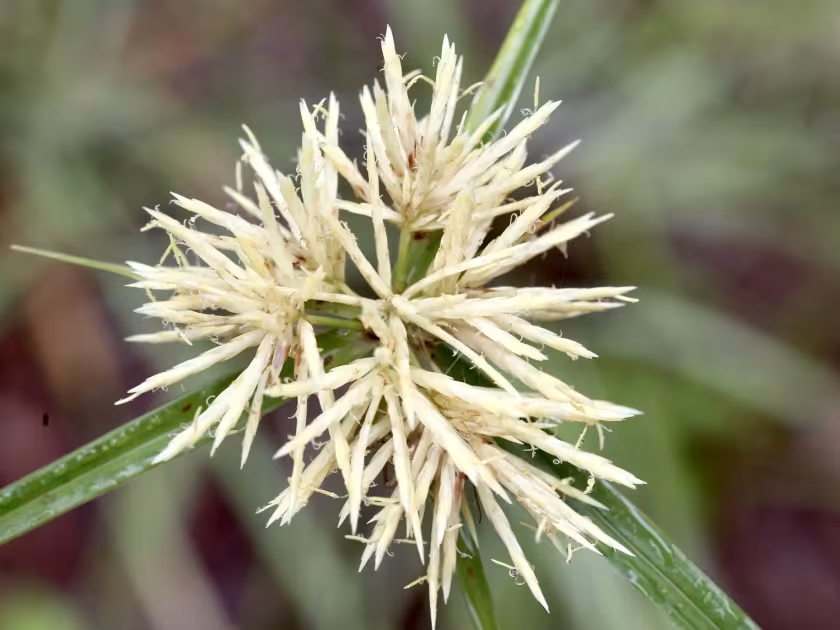
The plant is distinguished by its dense tufted habit, stiff linear leaves, and unique hemispherical inflorescences. These botanical features provide the plant with structural integrity, allowing it to withstand environmental stresses such as strong winds or occasional flooding in its native habitat.
Regarding soil and moisture requirements, the species favors wet, fertile soils with good organic content. It is capable of growing in a variety of substrates, including heavy clay or waterlogged soils, which makes it a unique candidate for stabilizing wet areas that are otherwise difficult to cultivate.
Agronomic management of Mariscus hemisphaericus involves maintaining optimal moisture levels throughout the growing season. While it is tolerant of low-intensity grazing, regular management is required to prevent the overcrowding of the stand, which can lead to reduced vigor and diminished biomass yield.
Economically, this plant serves as a source of biomass in integrated livestock systems and finds utility in artisanal crafts due to the strength and flexibility of its stems. It is also valued in land restoration projects for its ability to prevent erosion in sensitive riparian zones and wetlands.