
Rusty-green mariscus
Mariscus ferrugineoviridis
Description
Growing requirements
The Rusty-green mariscus (Mariscus ferrugineoviridis) is a perennial herbaceous plant belonging to the Cyperaceae family. It is recognized in agricultural studies for its ecological versatility and its role in maintaining specific wetland habitats.
The species originates from temperate and subtropical regions, where it thrives in moist environments. It is naturally adapted to riparian zones, floodplains, and areas with fluctuating water tables, demonstrating a high capacity for water uptake and storage.
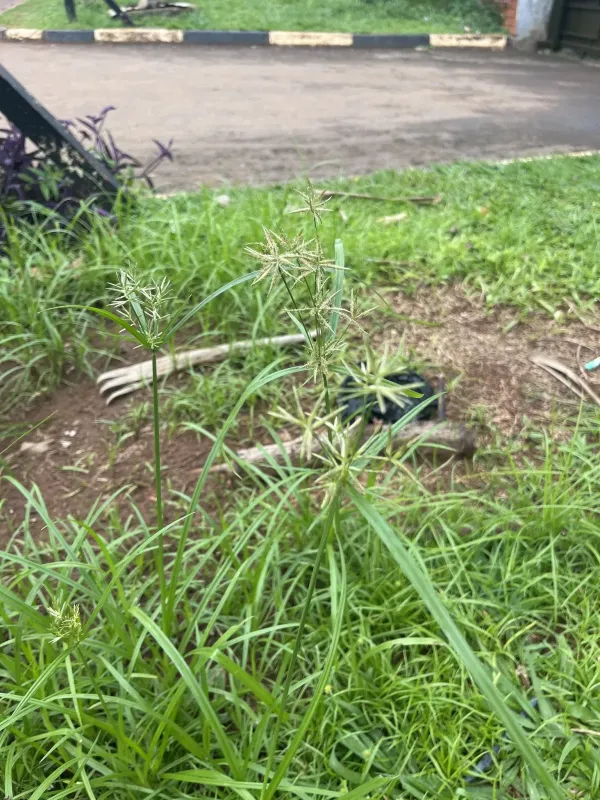
Botanically, the plant features triangular stems typical of the sedge family and a fibrous, rhizomatous root system. This structure allows it to form dense colonies, which play a significant role in soil stabilization and preventing erosion in moisture-rich agricultural zones.
It requires nutrient-rich, loamy, or organic-heavy soils to achieve maximum biomass production. While it is adaptable to various pH levels, the highest productivity is observed in soils that provide consistent moisture without remaining stagnant, favoring a delicate balance of aeration and water holding.
Climate-wise, the plant is optimized for moderate temperatures, typically between 18°C and 25°C. Exposure to full sunlight is beneficial for growth, although the plant shows remarkable tolerance to fluctuating moisture conditions, provided that extreme droughts are avoided.
Main diseases and pests
The main threats to Rusty-green mariscus cultivation include fungal pathogens like rust and smut, which are exacerbated by high humidity and poor air circulation in the field. These diseases can lead to decreased biomass quality and overall plant vigor.
Pest pressures primarily involve insects targeting stems and the rhizome base. Larval stages of specialized insects may cause structural damage if not monitored, requiring proactive field management and early detection strategies to avoid yield loss.
Managing disease risks involves cultural practices such as regular harvesting or controlled grazing, which prevents the accumulation of old, diseased plant tissue. Proper spacing and fertilization are also critical to maintaining the plant's health and resistance to infections.
Soil quality management is essential; compacted soil can inhibit root development and make the plant more susceptible to pests. Implementing crop rotation or periodic land resting can help break the lifecycle of soil-borne pests that affect the sedge family.
Biological control agents and targeted, limited-spectrum pesticides may be used when necessary, following strictly monitored thresholds. Integrated Pest Management (IPM) is strongly recommended to protect both the crop and the local riparian environment.