
Mariscus macer
Mariscus macer
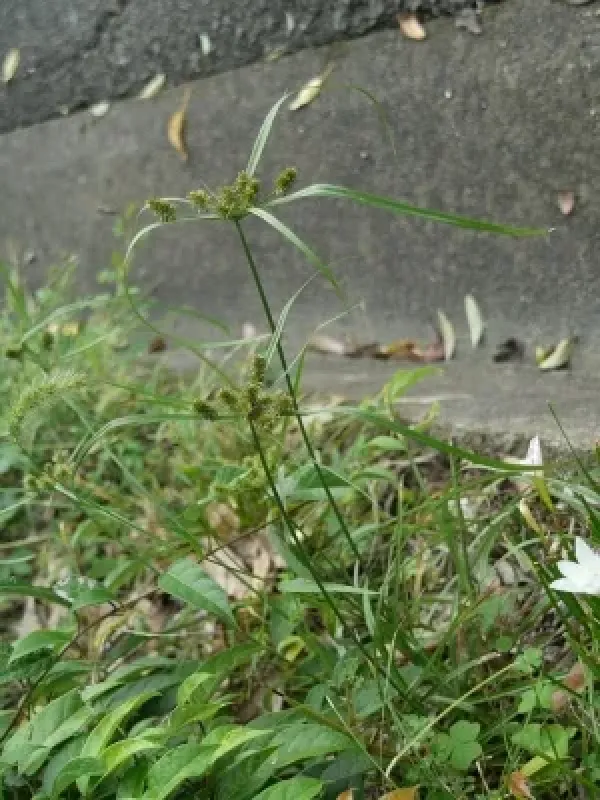
Description
Sowing dates
Mariscus macer is a member of the Cyperaceae family, closely related to the genus Cyperus. In natural conditions, propagation occurs primarily through vegetative growth via rhizomes, although in agricultural practice, seeding in prepared soil during the spring is commonly employed.
The optimal time for establishing plantations is when the soil warms up to temperatures between 15 and 18 degrees Celsius. Seeds are sown in rows with spacing of up to 45 centimeters, ensuring an optimal growing area for biomass development.
When sowing, it is crucial to consider the planting depth, which should not exceed 1-2 centimeters due to the small structure of the seeds. Surface sowing requires mandatory rolling to ensure close contact between the seeds and moist soil.
To accelerate germination in industrial conditions, seeds can be pre-soaked in growth stimulants. The germination process under favorable conditions takes between 14 and 21 days.
In regions with temperate climates, nursery transplanting is used, where plants are moved to open ground after stable warm weather has been established.
Growing requirements
This crop has specific requirements for water management, preferring humid or wetland areas. Mariscus macer thrives in soils with high water tables, where other agricultural crops often suffer from waterlogging.
The plant prefers fertile loamy or peat soils with a neutral pH level. An important factor is the presence of sufficient nitrogen in the soil absorption complex to support the formation of robust green biomass.
Regarding climatic factors, the crop is heat-loving, requiring a cumulative active temperature above 2000 degrees during the growing season. In conditions of insufficient sunlight, development slows down, leading to a decrease in overall yield.
It tolerates temporary flooding well, but stagnant water combined with low temperatures can lead to the development of root rot. Aeration of the topsoil layer promotes more intensive tillering of the plants.
In industrial cultivation, the application of complex mineral fertilizers, especially phosphorus-potassium blends, is recommended to strengthen the root system and increase resistance to abiotic stressors.
Yield
The biomass yield of Mariscus macer depends on plant density and the availability of nutrients. When adhering to agricultural regulations, productivity remains consistently high over several years.
The main use of the plant is related to biomass production for livestock or as raw material for technical purposes. The high cellulose content makes it a potential source of plant fibers.
The optimal phase for harvesting biomass occurs before the onset of active flowering. During this period, the nutrient content in the stems and leaves reaches its peak, which is critical for forage quality.
Regrowth after the first harvest is characterized by high dynamics, provided there is sufficient irrigation. This allows for up to two or three cuts per full growing season, depending on the region.
The final dry matter harvest depends on drying and storage technologies; therefore, timely harvesting plays a decisive role in maintaining the quality of the product.
Main diseases and pests
The crop possesses high natural resistance, yet in intensive cropping systems, it can be susceptible to specific fungal diseases. Among them, rust fungi affecting the leaf surface are the most dangerous.
In the early stages of development, seedlings can be damaged by soil pests such as wireworm larvae. Regular monitoring of crop status allows for timely chemical or biological protection measures.
Under waterlogged conditions, various types of mold fungi can develop at the root collar. Practicing crop rotation is the primary method for preventing the spread of pathogens in the soil.
Occasionally, damage to the above-ground parts is caused by insect pests, such as thrips or specific species of aphids that feed on young tissue. This leads to leaf deformation and stunted growth.
To minimize risks, it is recommended to use high-quality seed material treated with fungicides, which ensures plant protection during critical growth stages.
Harvesting
The harvesting technology for Mariscus macer involves mowing the green mass with specialized forage harvesters. The cutting height should be at least 5-7 centimeters to ensure rapid regrowth for subsequent cuts.
Collected biomass should be promptly sent for drying or ensiling, as high moisture content in the raw material promotes rapid self-heating. Using field wilting techniques significantly improves the quality of the final feed.
Mechanization of the harvesting process requires adjusting equipment to the specific stem structure, which is noted for its stiffness. It is important to minimize losses during the collection of mowed material by using modern tedders.
Harvest timing is determined by the regional climatic conditions and the intended use. For technical purposes, harvesting may occur at later stages when lignin content reaches its maximum.
Post-harvest processing includes sorting and cleaning the material from foreign impurities, which ensures the product meets quality standards for further processing or sale.