
Mariscus keniensis
Mariscus keniensis
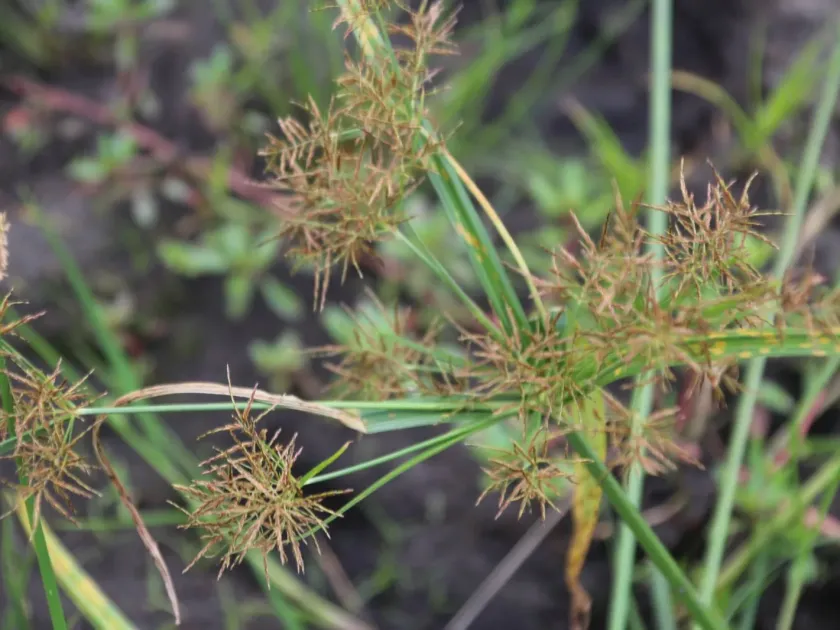
Description
Growing requirements
Mariscus keniensis is a specialized perennial plant belonging to the Cyperaceae family. It is recognized for its unique adaptation to specific high-altitude and subtropical ecosystems where environmental conditions fluctuate within stable ranges.
The cultivation of this species requires careful management of soil moisture levels, as the plant exhibits sensitivity to both waterlogging and severe drought. It thrives in soils with moderate acidity, which is characteristic of its native habitats.
Regarding agrotechnology, establishing a stand of Mariscus keniensis requires attention to weed control during the seedling stage. Due to its slow initial development, the plant requires a clean seedbed to reach maturity without intense competition.
Fertilization strategies for this crop should focus on adequate phosphorus and nitrogen availability. These nutrients are essential for optimizing the biomass production and ensuring the structural integrity of the plant foliage.
Climate requirements include consistent temperature regimes without extreme heatwaves. The species is well-suited for temperate to tropical regions provided that moisture availability is controlled throughout the growing season.
Main diseases and pests
Fungal pathogens, particularly those causing rust and leaf blight, represent the most significant threat to the health of Mariscus keniensis stands. Poor air circulation often exacerbates these conditions.
Insect pests such as stem borers and root-feeding grubs can cause significant damage to young plants. Early detection via field scouting is vital for the survival of the crop in infected areas.
Weed infestation is a primary concern in the early stages of growth, as the plant cannot compete effectively with more aggressive grasses. Mechanical weeding or selective chemical control is often necessary.
Over-compaction of the soil can lead to anaerobic conditions, which significantly weaken the plant and increase its susceptibility to root rot. Maintaining proper soil structure is crucial for long-term production.
Integrated Pest Management (IPM) practices, including the use of certified seed and crop rotation, are recommended to maintain high levels of crop productivity and prevent pathogen buildup.