
Mariscus coloratus
Mariscus coloratus
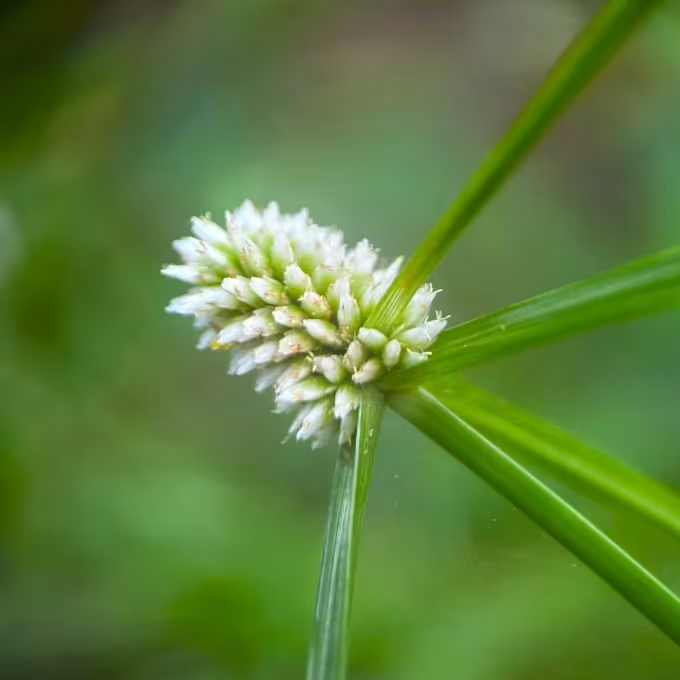
Description
Sowing dates
Mariscus coloratus, a member of the Cyperaceae family, is a perennial herbaceous plant adapted to specific wetland environments. Due to its biological characteristics, vegetative propagation via rhizome division remains the most reliable method for establishing new agricultural plots.
The optimal planting time occurs during the early spring season, once the soil has consistently warmed up. Ensuring temperatures remain above 15 degrees Celsius is crucial to promoting rapid root formation and establishing a robust crop canopy.
Preparation of the seedbed involves deep tillage to improve soil aeration and the incorporation of organic matter. Given that the plant thrives in moist environments, it is essential to ensure that the soil structure is capable of maintaining adequate moisture levels without becoming excessively compacted.
Planting density should be managed to ensure quick coverage of the ground surface. High-density planting in the initial year is recommended to suppress weed growth, as the young shoots of Mariscus coloratus may struggle against aggressive invasive weed species.
Post-planting irrigation is vital until the plants are fully established. During the first few weeks, the soil moisture content must be kept near saturation levels to facilitate deep root penetration and ensure the survival of the newly planted rhizome segments.
Growing requirements
The fundamental requirement for Mariscus coloratus is high soil moisture. As a hygrophyte, it performs optimally in saturated soils, riparian zones, and areas with high water tables, making it an excellent choice for poorly drained agricultural lands.
The plant demonstrates a preference for soils with a neutral pH, though it can tolerate a range of soil types provided they are rich in organic nutrients. It is particularly responsive to nitrogen-based fertilizers, which stimulate significant vegetative growth.
Light availability is another critical success factor. Mariscus coloratus is a heliophilous species that requires full sun exposure to reach its maximum biomass potential and maintain its distinct coloration during the flowering phase.
Temperature range is generally flexible, yet the species prefers a warm-temperate to subtropical climate. Extremes of temperature, particularly prolonged frost or heat stress without adequate water, can significantly impact the plant's metabolic activity and yield.
In terms of site management, periodic inspection for soil compaction is advised. Even in wetland species, excessive compaction can impede the growth of the root system, ultimately reducing the plant's ability to absorb essential minerals from the soil profile.
Main diseases and pests
Mariscus coloratus is generally resilient, but it can be susceptible to fungal infections, particularly rusts and leaf spots, when grown in high-humidity environments with poor air circulation. Proper spacing between rows is a key preventative measure.
Root rot represents a significant threat when water circulation is stagnant. Proper site design, including slight slopes or drainage channels for excess water, can mitigate the risk of pathogen buildup in the root zone.
Insect pests such as stem-borers and specific types of weevils can cause damage to the vegetative tissue. Integrated pest management, focusing on early detection and biological control methods, is the preferred approach for maintaining crop health.
Vertebrate pests like rodents may occasionally damage rhizomes, especially in newly established plantations. Protective measures, such as fencing or clearing surrounding debris, can reduce the attractiveness of the plot to these animals.
Disease control should prioritize chemical-free options where possible, especially when the crop is used for wetland restoration or water purification. Cultural practices, including the removal of diseased plant parts, are highly effective in maintaining a healthy crop.
Harvesting
Harvesting of Mariscus coloratus is typically conducted during the peak growth phase, shortly before or at the beginning of the flowering period. At this stage, the nutrient concentration in the stalks and leaves is at its highest, providing the best quality for biomass use.
The mechanical harvesting process requires setting the mower at a height that does not damage the crown or the rhizomes below the soil surface. This ensures the plant can regenerate quickly for subsequent harvests throughout the season.
Post-harvest management involves rapid drying of the biomass to prevent decay, especially given the plant's high moisture content. Controlled drying in well-ventilated structures is essential to maintain the structural integrity of the harvested material.
Yield capacity is highly dependent on environmental variables and soil fertility. In optimal, nutrient-rich, and well-watered conditions, the plant is capable of producing multiple cuts per season, offering substantial value as a forage or fiber crop.
For those harvesting seeds, timing must be precise, as the seeds mature unevenly. However, due to the complexity and low germination rates compared to vegetative propagation, seed harvesting is generally reserved for specialized botanical or restoration projects.