
Mariscus ligularis
Mariscus ligularis
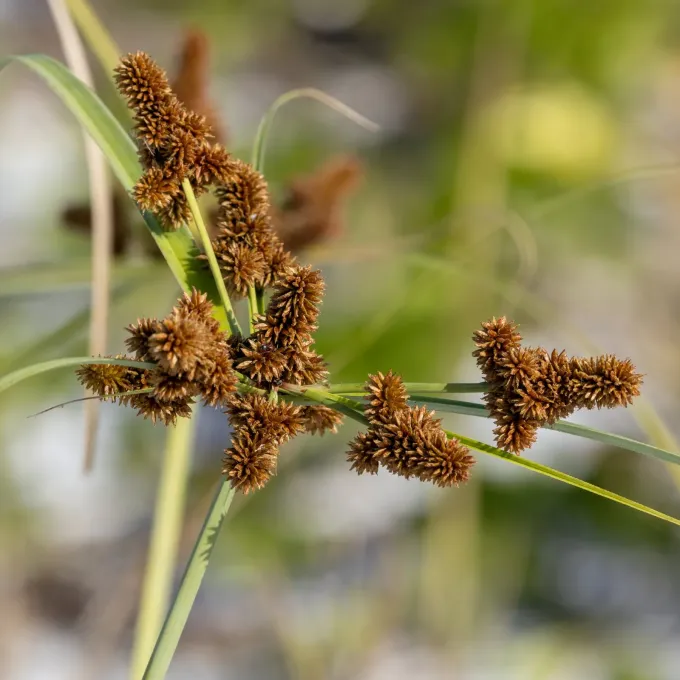
Description
Sowing dates
Mariscus ligularis is a perennial herbaceous plant belonging to the Cyperaceae family. It is widely recognized for its robust growth habit and adaptability to various soil types in tropical and subtropical climates.
Seed propagation is the primary method of establishment, though division of mature rhizomes is also effective for smaller scale planting. Sowing should take place in spring to ensure that the seedlings establish well before the onset of extreme heat.
Seeds should be sown in a well-prepared seedbed with fine soil structure. A shallow sowing depth of about 1 centimeter is recommended to ensure adequate light exposure for germination while preventing the seeds from drying out.
Spacing between plants should be adjusted based on the intended density of the stand. For soil stabilization purposes, a closer spacing of 20 by 20 centimeters is optimal to promote quick ground cover and root network development.
Post-sowing irrigation is critical during the first three weeks. Maintaining constant moisture levels without waterlogging the soil allows for uniform emergence and vigorous initial growth of the young sedge plants.
Growing requirements
This species thrives in wet environments and is highly tolerant of waterlogged conditions. It naturally occurs in coastal marshes and sandy habitats, indicating a preference for high humidity and consistent water availability.
While adaptable, Mariscus ligularis prefers well-drained but moisture-retentive soils rich in organic matter. Its root system is deep and expansive, allowing it to access nutrients effectively from both sandy and loamy substrates.
Full sun is essential for maximum biomass production and plant health. The plant exhibits a high rate of photosynthesis under direct sunlight, which is necessary for the development of its rigid stems and thick foliage.
Temperature tolerance is a significant attribute, with the plant performing best between 20 and 30 degrees Celsius. It can tolerate short periods of cooler weather but will enter a state of dormancy if temperatures stay low for extended periods.
Soil salinity is not a limiting factor for this crop, as it displays high levels of salt tolerance. This makes it an ideal candidate for revegetation projects in salt-affected areas where other agricultural crops would likely fail.
Main diseases and pests
Fungal diseases are the most common issue, particularly in environments with poor air circulation and high humidity. Leaf spot and rust can affect the appearance and growth rate of the plants if not monitored regularly.
Root rot is a major threat if the plants are exposed to stagnant water in the absence of proper drainage. Ensuring the substrate does not become septic is vital for maintaining the long-term health of the root system.
Insect pests, such as stem borers or aphids, may cause occasional damage. Regular scouting and integrated pest management practices, including the use of neem oil or biological controls, are usually effective in managing these infestations.
Nematode infestations can occur in sandy soils, potentially stunting growth. Crop rotation and the inclusion of antagonist plants can help suppress nematode populations and protect the sedge stand.
Maintaining a clean field free of broadleaf weeds is essential, as these weeds compete for nutrients and light. Weed control is most critical during the first two months of the crop life cycle until the stand is fully established.