
Mariscus thunbergii
Mariscus thunbergii
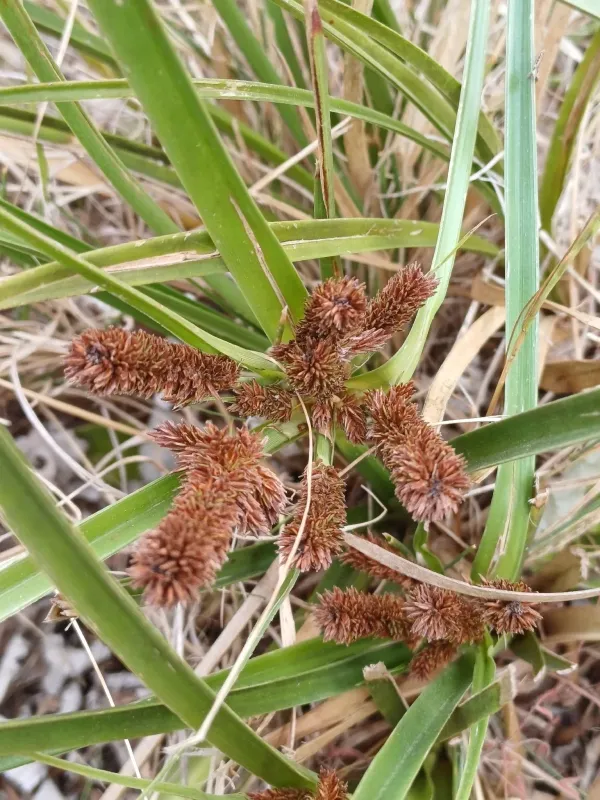
Description
Growing requirements
Mariscus thunbergii is a perennial herbaceous plant belonging to the Cyperaceae (sedge) family. In agricultural practices, it is recognized for its ability to thrive in wetland ecosystems and its structural properties that make it useful for specific land management tasks.
Originating from Southern Africa, this species is naturally adapted to moist habitats such as riparian zones, marshes, and riverbanks. Its distribution range confirms its preference for regions with consistent hydrological support throughout the growing season.
From a botanical standpoint, the plant is characterized by a rhizomatous root system, which is essential for stabilizing soil and preventing erosion. The leaves are linear and rigid, reflecting its evolutionary adaptation to harsh, wet, and competitive environmental conditions.
Climatic requirements for optimal development include a mild to warm climate with high humidity levels. The plant is not particularly drought-tolerant and requires a consistent supply of water to maintain active biomass production and physiological health.
Regarding soil preferences, Mariscus thunbergii thrives in rich, organic, or alluvial soils that hold water efficiently. It is capable of extracting high levels of nitrogen and phosphorus from the substrate, making it an excellent candidate for nutrient management projects.
Harvesting
The primary economic use of Mariscus thunbergii involves erosion control and phytoremediation of agricultural drainage water. It helps sequester nutrients before they reach major water bodies, serving as a biological filter.
In some agricultural sectors, the plant is harvested for its biomass. This material can be repurposed for landscaping, as a form of natural mulch, or even as a raw material for specific eco-friendly construction or craft applications due to its high fiber content.
Harvesting methods typically involve mechanical mowing, which should be timed to match the plant's peak vegetative biomass production. Care must be taken to operate on suitable ground conditions, as the target areas are often naturally saturated with water.
Post-harvest processing focuses on the structural properties of the sedge. Drying is a critical phase to ensure the longevity of the harvested material, especially if it is intended for use as organic mulch or fiber supply in later stages.
Regular maintenance of the stands ensures high yields over several years. By managing the intensity of harvesting, farmers can promote sustainable growth cycles and ensure that the plant continues to perform its ecosystem services effectively.