
Mariscus sieberianus
Mariscus sieberianus
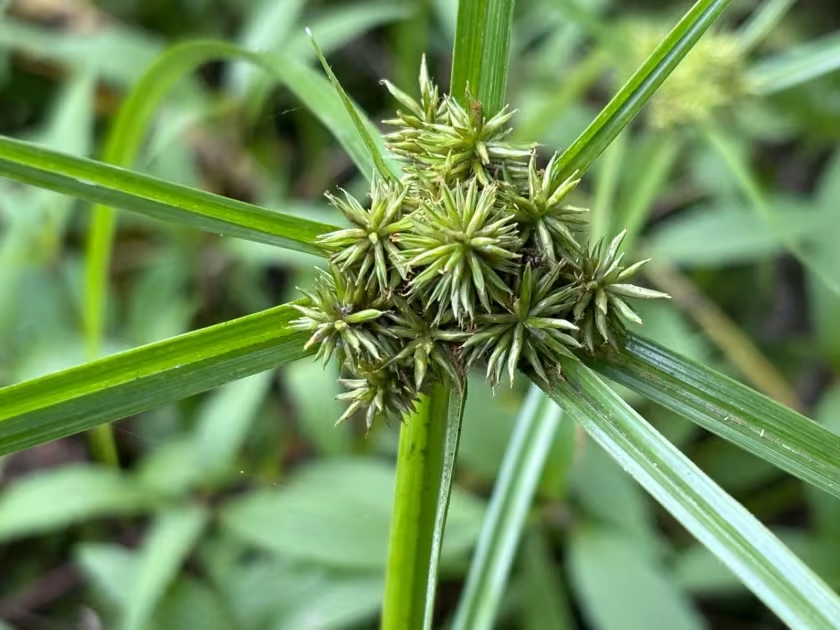
Description
Growing requirements
Mariscus sieberianus is a perennial herbaceous plant belonging to the Cyperaceae (sedge) family. In agricultural and environmental contexts, it is recognized for its ability to thrive in various moisture-rich habitats, making it a natural component of tropical and subtropical grassland ecosystems.
The origin of this species is largely attributed to the Asian and African continents. It typically occupies wetlands, stream banks, and areas with fluctuating water tables. Its biological strategy involves an extensive root system that allows it to survive in both waterlogged conditions and periodically moist soils.
Environmental requirements for successful growth include high ambient temperatures and consistent moisture levels. As a plant adapted to warmer climates, it does not possess a dormancy mechanism to survive frost, which restricts its cultivation range strictly to frost-free or mild tropical zones.
Soil preferences lean towards nutrient-rich substrates that maintain moisture throughout the growing season. While it exhibits some tolerance to different pH levels, it performs optimally in soils with good organic matter content, which supports its rapid biomass production during peak vegetative periods.
Agronomic management involves providing adequate sunlight, as the species is intolerant to dense shade. In cultivated environments, clearing competing vegetation and ensuring adequate spacing is essential to prevent canopy closure and ensure that the plant receives sufficient light for its metabolic processes.
Main diseases and pests
Like many species in the Cyperaceae family, Mariscus sieberianus can be susceptible to various fungal pathogens, particularly in conditions of poor air circulation and excessive humidity. Leaf spot diseases are the most common threats, which can reduce the quality of the foliage if left unchecked.
Pest pressure from soil-borne insects or larvae can occasionally damage the root system, hindering the plant's ability to absorb water and nutrients efficiently. Monitoring for early signs of root zone infestation is a critical component of maintaining healthy, productive stands of this sedge.
Environmental stress, such as extreme salinity or prolonged periods of drought, acts as a significant threat to its productivity. Such conditions often lead to premature yellowing of leaves and a cessation of growth, making the plant more vulnerable to secondary infections or weed competition.
Invasive weed encroachment represents a major challenge for pasture managers. If the stand density of Mariscus sieberianus is not maintained through proper grazing or mowing regimes, faster-growing opportunistic weeds may outcompete the crop, leading to a decline in forage purity and yield.
Integrated pest management strategies are recommended, focusing on maintaining plant vigor through balanced fertilization and appropriate water management. Chemical controls are generally used only as a last resort to minimize the impact on the local ecosystem and potential soil degradation.