
Mariscus cyperinus
Mariscus cyperinus
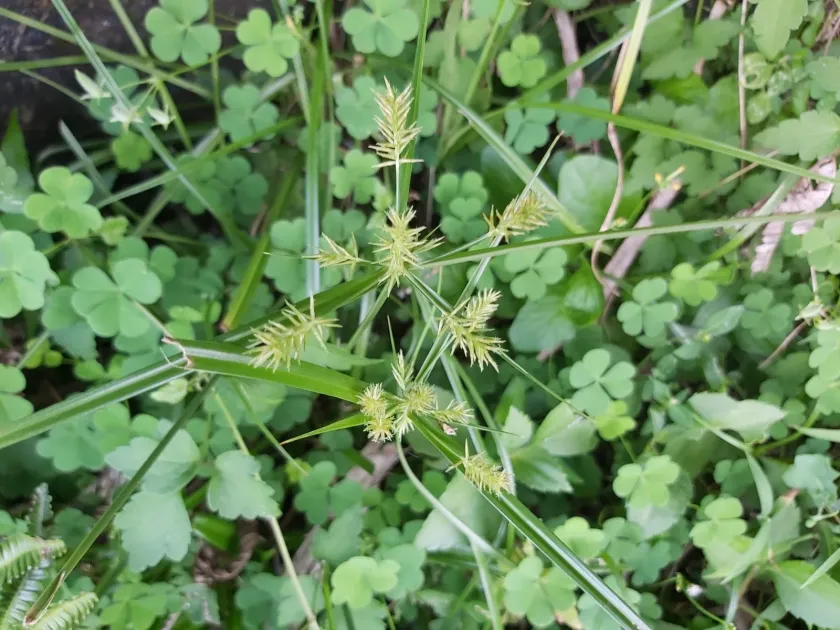
Description
Growing requirements
Mariscus cyperinus is a perennial herb belonging to the Cyperaceae family. It is native to tropical and subtropical regions, where it thrives in diverse environments, from wetlands to open fields.
The plant exhibits high ecological plasticity, preferring moist and fertile soils. It is well-adapted to high-temperature environments, requiring significant sunlight for optimal biomass production and growth development.
In terms of soil requirements, the species performs best in well-drained but moisture-retentive substrates. It shows moderate tolerance to soil acidity, making it suitable for areas where other crops might struggle.
Botanically, it features characteristic triangular stems and a robust rhizome system. This architecture provides the plant with stability and the ability to recover quickly after harvesting or minor damage.
Regarding its economic use, the crop is valued as a source of biomass. It has potential applications in forage production, fiber manufacturing, and soil stabilization in sensitive tropical landscapes.
Main diseases and pests
The main threats to Mariscus cyperinus cultivation include fungal infections that thrive in high-humidity environments. Leaf spot diseases are common, which can negatively impact the photosynthetic capacity of the plant.
Insect pests such as leaf-eating caterpillars and aphids may pose significant challenges during the peak of the growing season. Early detection is essential to prevent rapid spread across the field.
Agricultural management should focus on maintaining proper field sanitation to reduce pathogen buildup in the soil. Clearing stagnant water and managing weed pressure are critical steps for sustainable production.
Integrated pest management strategies should be implemented to ensure the longevity of the crop. This involves a combination of mechanical, biological, and chemical methods to control infestation levels.
Field monitoring during critical growth stages is vital to assess the plant's health. Proactive actions, such as removing affected plant parts, can prevent larger scale damage to the agricultural crop.